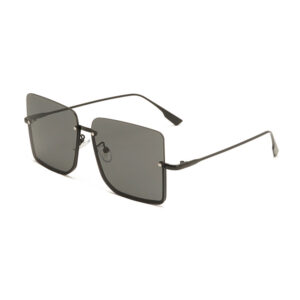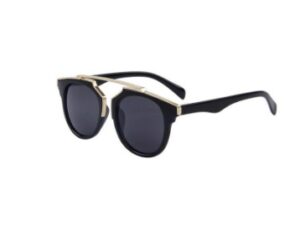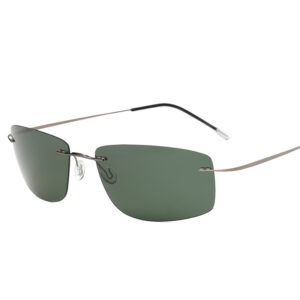
A great workout can be derailed by one small annoyance: sunglasses that slide down your nose, pinch behind your ears, or bounce with every step. The right lightweight sunglasses for sports should feel almost forgettable while making every mile, set, ride, or beach game easier on your eyes. You should not have to choose between looking sharp and seeing clearly.
For active days, frame weight matters just as much as lens color. A lighter pair reduces pressure on your nose and ears, stays more comfortable when you sweat, and is easier to wear from the first warm-up to the trip home. Add UV protection and polarized lenses when glare is part of the picture, and you have a pair that works harder without looking overly technical.
Why Lightweight Sunglasses for Sports Feel Better
Sports sunglasses do more than block bright light. They help you keep your attention on the road, trail, court, or water instead of constantly adjusting your frames. Heavy sunglasses can create pressure points over time, especially during cycling, running, hiking, or a long afternoon outdoors. They can also move more dramatically as your pace picks up.
Lightweight frames put less downward force on the bridge of your nose. That simple difference can make a pair feel more secure, even before you factor in the fit. For people who wear sunglasses for several hours at a time, comfort is not a bonus feature. It is part of performance.
There is a trade-off, though. The lightest frame is not automatically the best frame. It still needs enough structure to hold its shape, handle everyday use, and sit steadily on your face. Look for a balanced build: light enough for all-day comfort, with a fit that feels secure rather than flimsy.
Start With Fit, Not Just Frame Weight
A sporty frame can look great on a product page and still be wrong for your face. Fit is what decides whether it stays put when you move. Before choosing a style, think about how and where you will wear it.
Frames with curved temples or a gently wrapped shape often feel more stable because they follow the contour of your head. A molded nose bridge can work well for casual activity, while adjustable nose pads may give you more control if you have a narrower bridge or find that most sunglasses slide when you sweat.
The lens width matters too. Oversized lenses can provide excellent coverage for cycling, beach sports, and bright open spaces, but they may feel too wide for a smaller face. Narrow rectangular frames can feel streamlined and secure, although they may leave more light entering from the sides. The best choice depends on your face shape, your sport, and how much coverage you want.
Try to avoid treating tightness as a sign of security. Sunglasses that squeeze your temples may stay in place for a short run, but they can become distracting after an hour. A good pair rests firmly without leaving you eager to take it off.
Choose Lenses for the Conditions You Actually Face
The lens is where comfort meets clear vision. Dark lenses may feel right on a bright day, but darkness alone does not tell you whether a pair offers reliable eye protection. Look for UV-protective lenses designed to block harmful UVA and UVB rays. That protection matters on sunny days, cloudy days, and reflective surfaces alike.
Polarized lenses are especially useful for sports where glare is a constant problem. They help cut reflected light from pavement, car hoods, water, sand, and snow. For a cyclist, that can mean less distracting glare on the road. For fishing, boating, or beach days, it can make the water surface much more comfortable to look at.
Polarization is not a universal must-have. Some athletes who rely heavily on reading certain LCD screens may prefer non-polarized lenses, since polarized lenses can make some displays appear darker or harder to view at certain angles. If you use a bike computer, smartwatch, or dashboard display often, test what feels best for your routine.
Lens color also changes the experience. Gray lenses offer a more natural view of color and suit bright, everyday conditions. Brown or amber tones can boost contrast, which many people enjoy for trails, changing light, and outdoor play. Mirrored lenses add a bold finish and can help manage intense visible light, while clear or lightly tinted lenses may make more sense for low-light activity. Style has a place here, but your usual environment should lead the decision.
Match the Frame Shape to Your Sport and Style
You do not need separate sunglasses for every active hobby. A versatile lightweight pair can move easily from a morning walk to a weekend road trip and still look right with casual clothes. The trick is choosing a shape that fits your most frequent use.
For running and cycling, a wrap-inspired frame or sleek rectangular design usually offers a secure feel and wider side coverage. For tennis, pickleball, golf, or casual outdoor fitness, a lightweight square or semi-rimless look can bring a sporty edge without feeling too specialized. For water sports and beach days, larger polarized lenses are a smart choice because reflected sunlight can be intense.
If fashion is part of your selection process, good news: practical sunglasses do not have to look like equipment. Black frames are easy to wear and always look polished, but translucent gray, tortoiseshell, bright color accents, and mirrored lenses can give an active outfit more personality. Choose a style you genuinely want to put on. The pair you enjoy wearing is the pair that will actually protect your eyes.
Small Details That Make a Big Difference
When comparing lightweight sunglasses for sports, check the details that affect real-world wear:
- A secure bridge helps prevent slipping when heat and sweat build up.
- Curved temple arms can improve stability during quick movements.
- Wider lenses help block light entering from the sides.
- Scratch-resistant lens finishes are helpful for bags, car consoles, and active travel.
- A protective case keeps a lightweight frame from getting bent or scuffed between workouts.
These features do not need to make sunglasses expensive. Smart materials, a comfortable shape, and dependable UV protection can deliver the benefits most active shoppers need at an accessible price.
Keep Your Sports Sunglasses Comfortable Longer
Even a well-fitting pair needs a little care. Rinse off sweat, saltwater, sunscreen, and dust with clean lukewarm water before wiping the lenses. Dry them with a soft microfiber cloth, not the edge of a shirt or towel, which can drag grit across the lens surface.
Do not leave sunglasses on a hot dashboard for long periods. Excessive heat can affect frame shape and lens coatings over time. When you are not wearing them, store them in a case or pouch instead of tossing them loose into a gym bag with keys and chargers.
If your sunglasses begin to slide more than they used to, clean the nose area and temples first. Oil, sunscreen, and product buildup can make a secure fit feel less secure. If the frame is visibly warped, it may be time for a replacement rather than forcing it back into shape.
A Sport-Ready Pair Should Still Feel Like You
The best sports sunglasses are not always the most aggressive-looking pair or the pair with the longest feature list. They are the ones that stay comfortable, protect your eyes from UV exposure, reduce glare when you need it, and fit your personal style well enough to wear beyond the workout.
Kooleyes makes it easy to find that balance with affordable polarized and UV-protective styles that can handle active plans without leaving fashion behind. Pick the fit that feels secure, choose lenses for your usual light conditions, and let your sunglasses bring a little extra confidence to every sunny outing. Look sharp, see clearly, and keep moving.