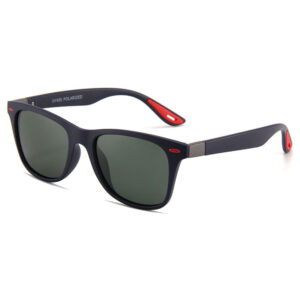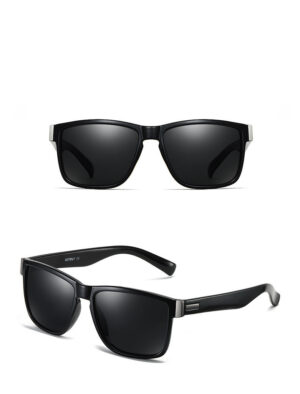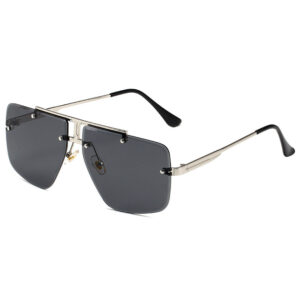

A fingerprint across your favorite aviators can turn a bright drive into a blur fast. The good news: learning how to clean sunglasses lenses takes less than a minute, and the right routine protects the crisp view, polished look, and UV-ready performance you count on outdoors.
Whether you wear polarized sunglasses for the road, sporty wraparound frames for cycling, or colorful shades for weekends at the beach, clean lenses make a real difference. They reduce distracting glare, help you see more clearly, and keep your sunglasses looking sharp longer. The key is simple: remove grit before you wipe.
How to Clean Sunglasses Lenses the Safe Way
Start by washing your hands with soap and water. Oils, lotion, sunscreen, and food residue can transfer right back to the lenses if your hands are not clean. Dry them with a lint-free towel before handling your sunglasses.
Next, hold your frames under a gentle stream of lukewarm water. This rinses away sand, dust, and tiny particles that can drag across the lens surface. Do not use hot water. Extreme heat can affect certain lens coatings or frame materials, especially if your sunglasses have been sitting in a hot car.
Apply one small drop of mild dish soap to each lens. Choose a basic soap without moisturizers, hand-softening ingredients, bleach, or citrus oils. Those extras can leave a film behind, which defeats the purpose of cleaning your lenses in the first place.
Use clean fingertips to lightly work the soap across both sides of each lens. Be gentle around the edges, nose pads, hinges, and the area where the lenses meet the frame. This is where sunscreen, makeup, sweat, and skin oils like to build up.
Rinse thoroughly with lukewarm water until every bit of soap is gone. Then shake off excess water and dry the lenses with a clean microfiber cloth. Use light, broad strokes instead of pressing hard in one small spot. Your sunglasses should look clear, smooth, and ready for the next sunny plan.
Why Dry Wiping Can Scratch Your Lenses
It is tempting to rub your sunglasses on a T-shirt when you are stepping out of the car, walking into a café, or heading toward the water. But dry wiping is one of the fastest ways to create fine scratches.
Dust and grit are tiny, but they are not soft. When you rub them into a dry lens, they can act like sandpaper. Even if the scratches are hard to spot at first, they may catch sunlight and make glare more noticeable over time.
The same rule applies to paper towels, napkins, tissues, and the corner of a sweatshirt. They may feel harmless, yet many have rough fibers that can leave micro-scratches or lint behind. A clean microfiber cloth is the better everyday choice because it lifts oils and smudges without being abrasive.
If water is not available, gently blow loose dust away first, then use a fresh microfiber cloth with a lens-safe cleaning spray. This is a useful travel option, but a proper rinse-and-wash is still the best reset after a beach day, workout, or long drive.
What to Use and What to Skip
Your lens-care kit does not need to be complicated. For most sunglasses, lukewarm water, mild dish soap, and a microfiber cloth are enough. Keep a microfiber cloth in your case, glove compartment, gym bag, or desk drawer so you are not stuck reaching for a shirt sleeve.
Some lens sprays are also fine, especially when they are made specifically for eyewear. Read the label before using any cleaner. A product designed for windows, mirrors, or household surfaces is not automatically safe for sunglasses.
Avoid these common lens-cleaning mistakes:
- Window cleaner, ammonia, bleach, vinegar, and other harsh household cleaners
- Acetone, nail polish remover, rubbing alcohol, or strong solvents
- Paper towels, tissues, napkins, and rough towels
- Dirty microfiber cloths that have picked up sand or makeup
- Hot water, steam, or leaving sunglasses on a hot dashboard
Harsh chemicals may damage lens coatings, including anti-reflective, mirrored, or polarized layers. Alcohol is sometimes included in commercial lens products, but it depends on the formula and the lens coating. When you are unsure, stick with mild soap and water. It is affordable, easy, and dependable.
Cleaning Polarized and Mirrored Sunglasses
Polarized lenses are made to cut reflected glare from roads, water, snow, and other flat surfaces. That makes them a favorite for driving, fishing, beach days, and outdoor sports. Their cleaning routine is not difficult, but it should be gentle.
Use the same rinse, mild soap, and microfiber method. Do not scrub a stubborn spot with your nail or press aggressively with a cloth. If sunscreen or saltwater residue is stuck on the lens, let lukewarm water run over it for a few extra seconds before washing.
Mirrored lenses deserve similar care. The reflective finish gives your sunglasses a bold, fashion-forward edge, but rough treatment can wear that finish down. Always rinse first and never toss mirrored sunglasses loose into a bag with keys, chargers, or loose change.
For performance sunglasses used during cycling, running, or active weekends, clean the nose pads and temple tips too. Sweat and skin oils can make these contact points slippery and less comfortable. A little regular care helps your frames stay secure when you are on the move.
How Often Should You Clean Your Sunglasses?
A quick microfiber wipe may be enough once or twice a day if your lenses only have a light fingerprint. For a fuller clean, wash them whenever you notice haze, streaks, salt spray, sunscreen, or visible dust.
People who drive daily, wear sunglasses at work, spend time near the ocean, or use them for sports may need to clean them more often. On the other hand, overwashing is not necessary when your lenses are clean. The goal is not to scrub constantly. It is to clean thoughtfully when buildup is present.
After a day at the beach or pool, give sunglasses a rinse even if they look fine. Salt, chlorine, and sunscreen can leave residue that becomes harder to remove later. This small habit is especially worthwhile for children’s sunglasses, which tend to collect snack smudges, fingerprints, and mystery marks at record speed.
Keep Your Microfiber Cloth Clean, Too
A microfiber cloth only works well when it is clean. If it has been floating around in a purse, backpack, or car console, it may have collected grit that you do not want near your lenses.
Wash microfiber cloths separately or with other lint-free items using mild detergent. Skip fabric softener and dryer sheets because they can coat the fibers and reduce their ability to absorb oils. Air-dry them or use low heat if the care label allows it.
It also helps to have more than one cloth. Keep one at home and one in a hard sunglasses case for travel. A hard case is worth using whenever your shades are not on your face. It protects the lenses from scratches and helps prevent bent frames, whether you are packing for a weekend away or tossing your sunglasses into a crowded tote.
When Scratches or Haze Will Not Come Off
If you have washed your lenses properly and still see cloudy areas, fine lines, or a peeling look, the issue may not be dirt. It could be scratched lenses or worn coating. DIY scratch-removal tricks using toothpaste, baking soda, or other abrasive pastes often make the problem worse. They can create uneven surfaces and damage specialized coatings.
For sunglasses that still fit well and offer the protection you need, professional lens replacement may be an option depending on the frame. If the lenses are deeply scratched, the coating is failing, or the frames are loose and worn, replacing the pair can be the smarter move. Fresh, UV-protective sunglasses are an easy style refresh and a clearer choice for everyday eye comfort.
Treat your sunglasses like the finishing piece they are: rinse away the grit, use a soft cloth, and store them with care. A clear lens lets your outfit, your view, and your confidence do exactly what they should – stand out.