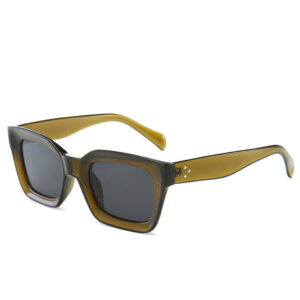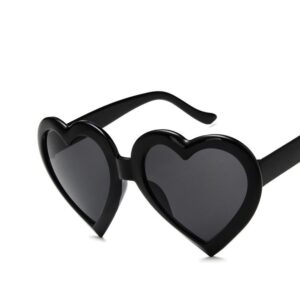

The road looks wet when it is not. A lake flashes like a mirror. Your phone screen disappears the moment you step outside. Those are classic glare problems, and the best sunglasses for glare reduction do more than make a bright day feel less harsh. They help you see sharper, stay comfortable longer, and look great while doing it.
For most people, the answer starts with polarized lenses. But lens color, frame coverage, UV protection, and the way you plan to wear your sunglasses all matter too. The right pair for a beach day may not be the right pair for a long drive or an afternoon bike ride.
Why Glare Is More Than Just Bright Sun
Glare happens when sunlight bounces off flat, reflective surfaces such as water, pavement, windshields, snow, white sand, and even nearby buildings. That reflected light often reaches your eyes at an angle that makes details harder to see. You may squint, feel eye fatigue, or notice that the scene in front of you looks washed out.
A dark lens can make sunlight feel less intense, but darkness alone does not necessarily control glare. That is why shoppers sometimes buy a stylish pair with very dark lenses and still struggle to see clearly while driving or near water. For real glare reduction, lens technology matters.
The Best Sunglasses for Glare Reduction Use Polarized Lenses
Polarized lenses contain a special filter designed to block much of the horizontal light that creates reflected glare. The result is a clearer view with richer contrast, especially around roads, water, and bright outdoor surfaces.
Think of polarization as the feature that turns a sunny view from blinding to comfortable. It can help drivers spot changes in the road surface, help anglers see beneath surface reflections, and make beach walks, patio lunches, and everyday errands easier on the eyes.
Polarized sunglasses are an especially smart choice for driving, cycling, boating, fishing, beach trips, and outdoor sports. They are also a strong everyday option if you frequently find yourself squinting in parking lots, on city sidewalks, or behind the wheel.
There is one trade-off worth knowing: polarized lenses can make some LCD screens appear darker or show rainbow-like patterns at certain angles. This may affect some car dashboards, phones, fitness watches, and aviation instruments. Most everyday drivers still love polarized lenses, but pilots should follow the lens recommendations for their specific aircraft and instruments.
Polarization and UV Protection Are Different Jobs
A lens can be polarized without offering the UV coverage you want, and a lens can offer UV protection without being polarized. The best choice gives you both.
Look for sunglasses labeled UV400 or 100% UVA and UVB protection. UV protection helps shield your eyes from harmful ultraviolet exposure, while polarization manages reflected glare. One protects against invisible rays; the other improves visual comfort in visible bright light. Together, they make a far stronger sun-ready combination.
Choose Lens Colors for Where You Spend Your Time
Lens color affects how your surroundings look and how much contrast you notice. There is no single perfect tint for everyone, but a few options stand out for glare-heavy situations.
Gray Lenses for True-to-Color Everyday Wear
Gray polarized lenses are a favorite for driving, travel, beach days, and daily wear because they reduce brightness without dramatically changing colors. If you want a pair that works with nearly every outfit and most outdoor plans, gray is an easy, versatile choice.
They also pair naturally with black square frames, classic aviators, sporty wraparound styles, and colorful fashion frames. You get a polished look without giving up practical performance.
Brown and Amber Lenses for Contrast
Brown, amber, and copper lenses can boost contrast, making them popular for driving, cycling, golf, and changing light conditions. They bring a warmer look to the view and can make details stand out against roads, trails, and green spaces.
Choose these tints if you want a little extra visual definition and enjoy a warmer style. They work particularly well with tortoiseshell frames, gold aviators, and retro-inspired sunglasses.
Green Lenses for Balanced Comfort
Green lenses offer a balanced middle ground. They can reduce glare while keeping colors relatively natural, with a slightly enhanced sense of contrast. They are a stylish choice for all-day outdoor wear, from city streets to weekend getaways.
Mirrored lenses can add another layer of visible-light reduction and give your sunglasses a bold, athletic finish. The mirror coating is a style statement, but it should not replace polarization and UV protection as your main performance features.
Frame Shape Matters More Than You Think
Glare does not only come from directly in front of you. Light can sneak in through the top, sides, and bottom of a frame, particularly near water, on snow, or while moving at speed. A well-fitting frame helps limit those distractions.
Wraparound sunglasses are a top pick for cycling, running, boating, and active days outside. Their curved shape offers wider side coverage and stays more secure during movement. Sport frames often feel more protective, though they may not be the first choice if your everyday style leans classic or minimalist.
For driving and daily wear, larger square frames, rectangular sunglasses, and aviators can provide excellent coverage while keeping your look sharp. Oversized frames are another smart option for beach days and bright city walks, especially if you want more shielding around the eyes.
Fit is personal. Sunglasses should sit comfortably on the bridge of your nose, stay in place when you look down, and avoid pressing too hard at the temples. If light is constantly entering from the sides, try a slightly wider frame or a more curved profile.
Match Your Sunglasses to the Moment
The best pair depends on what creates glare in your day. Instead of choosing based on one feature alone, start with your most common use case.
For driving, choose polarized gray, brown, or amber lenses with full UV protection. A medium-to-large frame gives you useful coverage without feeling bulky behind the wheel. Classic aviators, rectangular frames, and clean square styles all fit the job.
For water, fishing, and beach days, polarization should be at the top of your list. Reflected sunlight off water can be intense, so a larger frame or wraparound design adds welcome coverage. Gray lenses offer natural color, while amber and copper can help improve contrast.
For cycling and outdoor sports, prioritize a secure fit, lightweight feel, and side protection. Wraparound polarized sunglasses reduce glare from pavement and help keep wind, dust, and bright side light from becoming a distraction.
For everyday fashion, do not settle for lenses that only look good in photos. A polarized pair with UV400 protection can bring comfort to brunch, commuting, travel, and weekend plans. At Kooleyes, that means you can choose from trend-forward shapes and colors while keeping eye protection in the picture.
Watch Out for These Shopping Mistakes
The most common mistake is assuming darker means better. Very dark lenses can feel comfortable, yet they may not provide adequate UV protection or glare control. Always check the product details rather than judging performance by tint alone.
Another mistake is buying a frame that looks amazing but feels wrong after ten minutes. If you are purchasing sunglasses for long drives or outdoor activity, comfort is part of performance. Lightweight materials, stable nose pads, and a fit that stays put will make you more likely to wear them.
Finally, avoid treating polarized lenses as the only feature that matters. A pair with polarization, UV400 protection, a useful lens tint, and a frame that blocks side light will usually give you the best experience. That combination is what turns sunglasses into dependable gear, not just a finishing touch for your outfit.
Care for Polarized Lenses Properly
Great glare reduction only works when your lenses stay clean. Smudges, sunscreen residue, and dust can scatter light and make bright conditions feel worse. Rinse away grit with clean water first, then use a microfiber cloth and lens-safe cleaner.
Avoid wiping dry lenses with a shirt, paper towel, or beach towel. Those materials can leave tiny scratches over time, which may create more visible glare. Store your sunglasses in a case when they are not on your face, especially in a crowded bag or hot car.
The right sunglasses should make you want to step into the sunlight, not hide from it. Choose polarized UV-protective lenses in a frame that fits your life and your style, then let clear vision do the rest.