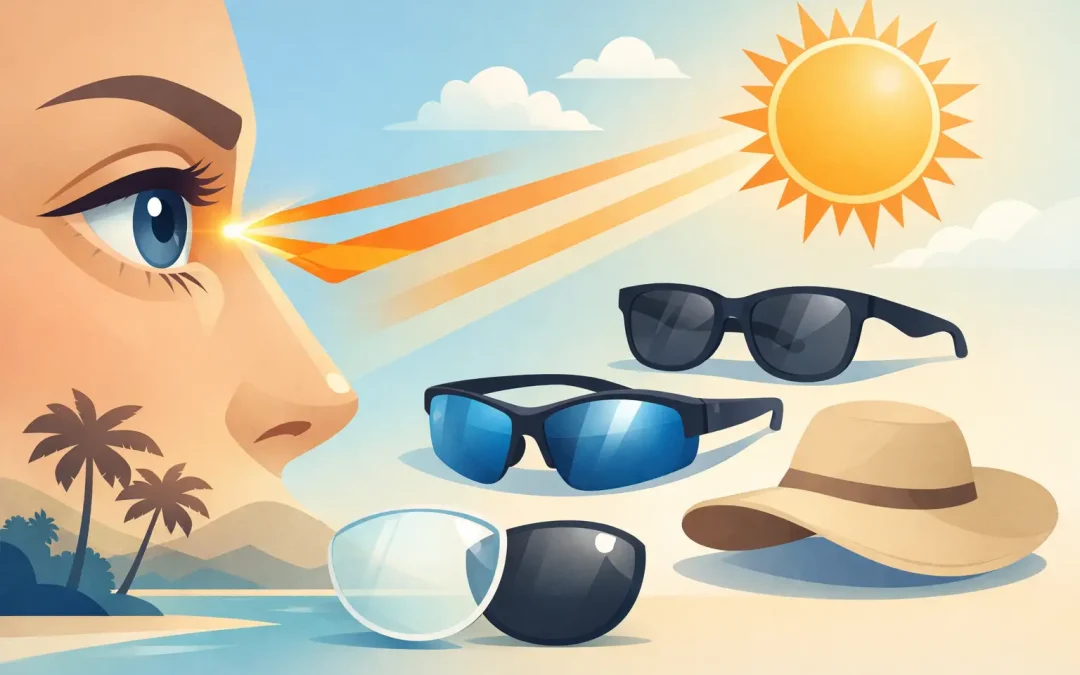
A bright afternoon drive can feel harder than it should. The road looks washed out, you squint at every reflective surface, and your eyes feel tired before you arrive. That discomfort is more than a style problem. This guide to UV eye damage explains why sunlight deserves real eye protection, not just a pair of dark lenses.
UV exposure builds during ordinary moments: walking the dog, sitting near a window, taking a beach day, coaching from the sidelines, or biking home at sunset. The good news is that protecting your eyes is simple when you know what to look for. A great pair of sunglasses can sharpen your outfit and make time outdoors more comfortable, but the protection label matters most.
What UV eye damage actually means
Ultraviolet, or UV, light is invisible energy from the sun. It reaches your eyes even when the day feels cool, and it can still be present when clouds soften the sunlight. There are different types of UV radiation, but for everyday shoppers, the key takeaway is straightforward: your sunglasses should block both UVA and UVB rays.
Your eyelids, cornea, lens, and the tissues around your eyes can all be affected by too much unprotected exposure. A brief, intense dose of sunlight may irritate the surface of the eye. Years of repeated exposure can contribute to longer-term changes that may affect vision and eye comfort.
This is why lens darkness alone is not a reliable sign of safety. Very dark lenses without proper UV filtering can be a poor choice because your pupils may open wider behind the tint, allowing more unfiltered UV light into the eye. Look for sunglasses labeled UV400 or 100% UVA/UVB protection. That label is the feature doing the protective work.
The short-term effects of too much sun
Sunlight reflected from water, snow, sand, pale pavement, and car hoods can be especially intense. After a long day in these conditions without adequate eyewear, some people experience a sunburn-like irritation of the cornea called photokeratitis. It may cause redness, tearing, a gritty feeling, sensitivity to light, blurred vision, or eye pain.
Symptoms can show up hours after exposure, which makes them easy to connect to the wrong cause. If you develop significant pain, vision changes, severe light sensitivity, or symptoms that do not improve, contact an eye care professional promptly. Do not try to push through it with another sunny day outdoors.
Even when you never experience an obvious episode, constant squinting has a cost. It can leave you with headaches, eye fatigue, and less visual comfort when driving or playing sports. Sunglasses that fit well reduce the urge to squint, helping you see more comfortably while looking put together.
Long-term UV exposure and your eyes
One afternoon outside will not tell the whole story. UV eye damage is largely about cumulative exposure – the small, repeat doses that add up through years of commuting, vacations, yardwork, practices, and weekend plans.
Long-term UV exposure is associated with conditions such as cataracts, growths on the eye’s surface, and damage to delicate retinal tissue. Not every eye condition is caused by sunlight alone. Age, family history, health conditions, medications, smoking, and other factors can all play a role. Still, wearing dependable UV-blocking eyewear is one practical habit that can reduce unnecessary exposure.
The skin around the eyes also deserves attention. It is thin, often exposed, and easy to overlook when applying sunscreen. Larger lenses and frames with good coverage can help shade this area, especially on high-glare days.
A guide to UV eye damage by everyday setting
The best sunglasses are the pair you will actually wear. That means matching your coverage, lens style, and frame shape to where life takes you.
Driving
Windshields block some UV light, but they do not eliminate the need for sunglasses. Side windows, bright pavement, and low-angle morning or afternoon sun can create serious glare. Polarized lenses are a smart option for many drivers because they reduce reflected glare from roads, dashboards, and other vehicles.
Polarization is different from UV protection. Ideally, choose lenses that offer both. Polarized lenses can make the view more comfortable and clearer in bright conditions, while UV protection filters the harmful rays. If you regularly check certain digital displays in your car, try polarized lenses first, since some screens can appear darker or harder to read at particular angles.
Beach, water, and snow
Water and snow bounce sunlight upward, putting extra light into your eyes from below as well as above. This is where wraparound frames, larger lenses, or close-fitting sports sunglasses can be especially useful. More coverage around the sides means less light slipping in at the edges.
A fashion-forward oversized frame can offer excellent coverage for a pool day or city stroll. For paddleboarding, fishing, skiing, or cycling, a secure sport frame may be the better call. Style should feel personal, but the setting should guide the fit.
Sports and cycling
For active days, look for lightweight frames that stay in place and lenses that give you a wide field of view. A close, comfortable fit helps block wind, dust, and side glare along with sunlight. Polarized lenses are popular for many outdoor activities, although some athletes prefer non-polarized lenses when they need to spot ice patches, wet surfaces, or screen displays with maximum consistency.
Everyday city wear
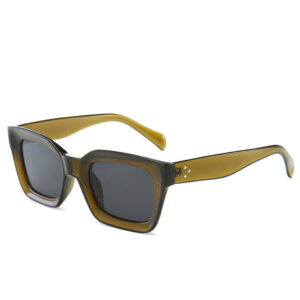
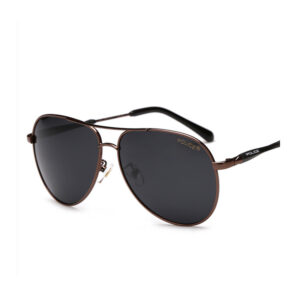
UV protection is not reserved for vacation. City sidewalks, glass buildings, parked cars, and bright storefronts create plenty of reflection. Classic aviators, square sunglasses, colorful statement frames, and sleek rectangular styles can all protect your eyes if they carry reliable UV400 or 100% UVA/UVB labeling.
How to choose sunglasses that protect, fit, and flatter
Start with protection, then make the style yours. A frame you love is more likely to live in your bag, car, or jacket pocket instead of sitting in a drawer.
Check the product details for UV400 or 100% UVA/UVB protection. Next, think about lens coverage. Bigger lenses and wraparound shapes generally block more peripheral light, while a smaller retro frame may suit lower-glare errands and style-focused looks. Neither is automatically wrong – it depends on your exposure and how you plan to use them.
Then consider glare. If road glare, water, or bright pavement bothers you, polarized sunglasses are often worth choosing. They are especially useful for driving, beach trips, and outdoor recreation. For low-light conditions or night driving, skip dark sunglasses altogether. They are designed for daytime sunlight and can reduce the light you need to see safely after dark.
Finally, make sure the fit works. Frames should sit comfortably without pinching your nose or pressing behind your ears. They should not slide down every time you look down. If sunlight streams in above, below, or along the sides, a different frame shape or a closer fit may offer better coverage.
Children need UV protection too
Kids spend plenty of time outside, often when the sun is strongest. Their sunglasses should be more than a cute accessory. Choose durable, comfortable frames with verified UV protection, and make them part of the same routine as sunscreen, hats, and water bottles.
A secure fit matters because children will only keep sunglasses on if they feel good. Let them choose a color or shape they are excited to wear, then check that the lenses offer UV400 or 100% UVA/UVB protection. Giving kids a little style ownership can make the healthy habit stick.
Habits that make protection easy
Keep sunglasses where sun finds you: in your everyday bag, near the front door, or in the car. Wear them year-round, not only when the temperature says summer. Clouds do not erase UV exposure, and bright winter days can bring intense reflection, especially around snow and water.
Add a brimmed hat when you expect prolonged exposure. Sunglasses and a hat work better together than either does alone. If you wear prescription glasses, ask an eye care professional about prescription sunglasses, clip-ons, or photochromic options that fit your needs.
Care matters, too. Store your sunglasses in a case when possible, rinse off grit before wiping lenses, and use a soft microfiber cloth. Scratched lenses can create distracting glare, and damaged frames may no longer sit close enough to provide their intended coverage.
A pair of UV-protective sunglasses is one of the easiest daily upgrades you can make: choose a frame that feels like you, wear it before the squint starts, and let your eyes enjoy the view in comfort and style.