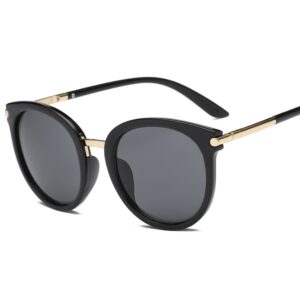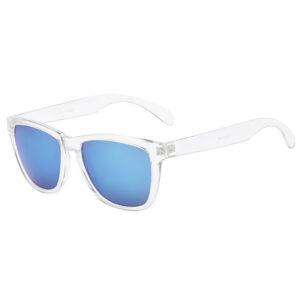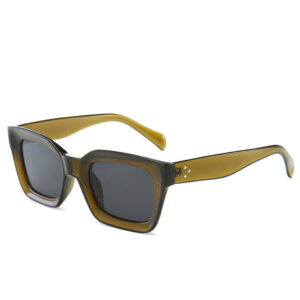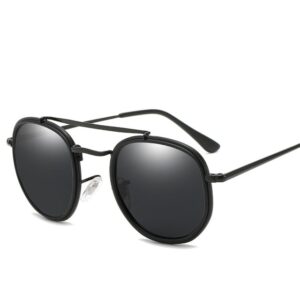
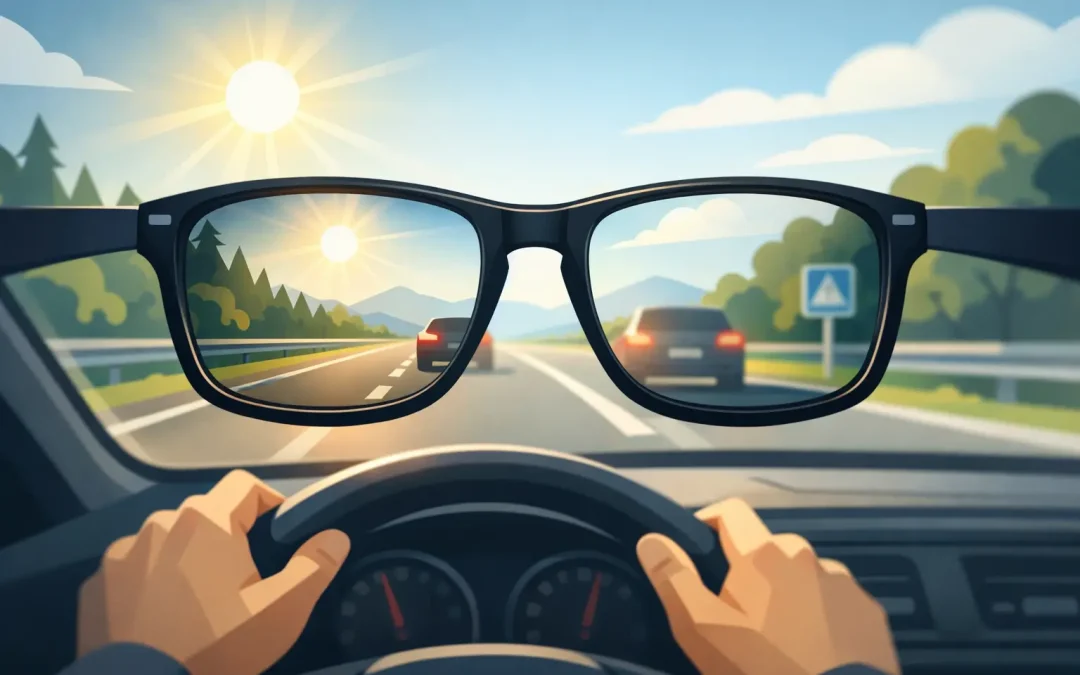
The worst driving glare does not always come from looking toward the sun. It flashes off wet pavement, car hoods, windshields, and lane markings – often right when you need to read the road quickly. The right driving sunglasses make those bright moments feel calmer, clearer, and far less distracting, while giving your everyday outfit a sharper finish.
For most daytime drivers, the best pair is not about chasing the darkest lens or the loudest logo. It is about finding a comfortable frame with dependable UV protection, glare-cutting polarization, and a lens color that works for the roads you actually travel. Whether your route is a city commute, a long highway stretch, or a sunny weekend escape, a smart pair of shades can help you look sharp and see clearly.
What Makes Driving Sunglasses Different?
Regular sunglasses can make a bright day more comfortable. Driving sunglasses should do more: reduce reflected glare, preserve useful contrast, stay secure when you turn your head, and provide clear coverage at the edges of your vision.
The key feature for daytime driving is usually polarized lenses. Sunlight reflecting from flat surfaces becomes intense horizontal glare, which is why a road after rain can look almost white. Polarized lenses filter much of that reflected light, helping the pavement, vehicles, and road details appear more defined. They can also make long drives feel easier on tired eyes.
Just as essential is UV protection. Dark lenses without proper UV protection are not a shortcut to safer vision. Because tinted lenses can cause your pupils to open wider, your eyes may take in more harmful UV exposure if that protection is missing. Look for sunglasses labeled with 100% UVA and UVB protection or UV400 coverage.
Style still matters. A pair you feel good wearing is a pair you will grab before every drive. Classic aviators, clean rectangular frames, oversized square styles, and sporty wraparound silhouettes can all work beautifully, depending on your face shape and driving routine.
Polarized Driving Sunglasses: The Everyday Upgrade
If you regularly drive in sunshine, polarized driving sunglasses are a practical upgrade with an immediate payoff. They are especially helpful around water, snow, glass buildings, wet roads, and bright concrete – all common sources of distracting reflected light.
The benefit is not that polarization makes every scene darker. A good polarized lens is designed to make the scene more usable. You may notice clearer contrast between lanes and pavement, less shimmer from the car in front of you, and more relaxed vision during a bright afternoon drive.
There is one trade-off worth knowing. Some digital displays, including certain dashboard screens, GPS units, and phones, can look dim or show color shifts when viewed through polarized lenses, especially if you tilt your head. Test your car’s display with the glasses on before relying on them for a long trip. For most drivers, the glare reduction is well worth this occasional quirk, but it depends on the vehicle and how often you use digital instruments.
Choose the Right Lens Color for the Road
Lens color affects how your surroundings look, so it is more than a fashion choice. The best tint depends on your usual light conditions and the visual feel you prefer.
Gray lenses for bright, true-to-color views
Gray is a strong all-around choice for sunny driving. It lowers brightness while keeping colors relatively natural, which can make it easy to judge traffic lights, signs, and changing conditions. If you want one pair for everyday errands, highway drives, vacations, and outdoor time, gray polarized lenses are hard to beat.
Brown or amber lenses for contrast
Brown and amber lenses often make contrast feel more pronounced, which many drivers enjoy on partly cloudy days, country roads, or variable light. They bring a warmer look to the view and pair naturally with tortoiseshell, gold, brown, and retro-inspired frames. They are a stylish option when you want visual comfort without a flat, overly dark appearance.
Green lenses for a balanced look
Green lenses sit comfortably between gray and brown for many wearers. They can reduce brightness while maintaining a balanced sense of color and contrast. They also bring a classic, polished vibe to aviators and metal-frame sunglasses.
Mirror lenses for extra-bright conditions
A mirrored finish reflects more light away from the lens exterior. It can be a great match for beach drives, mountain routes, open highways, and high-glare summer days. The mirror coating is not a replacement for polarization or UV protection, so check for those essentials first.
Fit Matters More Than You Think
A beautiful frame that pinches your temples, slides down your nose, or leaves large gaps around your eyes will become a glove-box accessory instead of a daily essential. Comfort is a safety feature when you are driving because you should not have to keep adjusting your sunglasses while watching traffic.
Start with coverage. Larger lenses and slightly wraparound frames can block more light from the sides, where early morning or late afternoon sun often sneaks in. This does not mean every driver needs a sporty wrap style. Oversized square sunglasses, medium aviators, and well-fitted rectangular frames can offer solid coverage while matching a more casual or dressy wardrobe.
Then consider frame weight. Lightweight plastic frames are easy to wear for long periods and come in plenty of bold colors. Metal frames can deliver a sleek, refined look, especially in aviator shapes, but make sure the nose pads sit comfortably and the temples do not press behind your ears.
If you have a smaller face, avoid frames that extend too far beyond your temples or sit low on your cheeks. If you have a wider face, a narrow frame can feel tight and leave the lenses looking undersized. The goal is a balanced fit that stays put when you check mirrors, look over your shoulder, or step out into a gust of wind.
Don’t Wear Dark Sunglasses for Night Driving
Night driving requires more available light, not less. Dark tinted sunglasses should never be worn after sunset, in a tunnel, or during low-light rain. They can reduce visibility of pedestrians, road hazards, and important details far more than they reduce discomfort from headlights.
You may see yellow-lens glasses marketed for night vision. Some drivers like the warmer appearance they create, but a yellow tint does not give your eyes extra night vision and may reduce the total light reaching them. If headlights feel painfully bright, the better first steps are cleaning the inside and outside of your windshield, cleaning your regular eyeglass lenses if you wear them, checking for windshield damage, and speaking with an eye care professional if the problem persists.
Keep your daytime shades within easy reach, but treat them as a daytime tool. A protective case in the center console or door pocket helps prevent scratched lenses that can scatter light and make glare worse.
Frame Styles That Work From the Driver’s Seat to Everywhere Else
Driving sunglasses do not need to look purely technical. Your go-to road pair can fit your personal style just as easily as your favorite jacket or sneakers.
Aviators are an easy choice for drivers who like timeless, confident style. Their teardrop lenses offer generous coverage, and polarized versions bring real performance to the look. Square frames create a modern, statement-making profile and suit drivers who want a little more fashion presence. Rectangular sunglasses feel clean, versatile, and easy to wear with everything from office basics to weekend denim.
For active days, wraparound and sports-inspired frames are often the most secure option. They stay close to the face, block side light, and work well when your drive leads straight to a bike ride, hike, or day by the water. Colorful frames can bring personality to the practical side of eye protection – a bright pair is a simple way to make a neutral outfit feel more like you.
Kooleyes makes it easy to choose from these looks without treating polarized protection as a luxury add-on. The best style is the one that fits your face, your route, and your confidence.
A Quick Check Before You Buy
Before choosing a pair, confirm that the lenses offer 100% UVA and UVB protection or UV400 protection. For regular daytime driving, choose polarization unless you know it interferes with a display you depend on. Pick gray for a natural all-purpose view, brown or amber for warm contrast, or green for a balanced classic option.
Finally, think about when you drive most. A wide-coverage frame can be especially helpful for sunrise and sunset commutes, while a lightweight classic frame may be perfect for frequent daytime errands. If you split your time between the road, the beach, and outdoor activities, one versatile polarized pair can cover all three without missing a beat.
The right sunglasses belong by your keys, not forgotten in a drawer. Choose a pair that makes bright roads easier to read, feels good for every mile, and gives you one more reason to enjoy the view.