That great pair of shades can look perfect in the mirror, then start sliding down your nose the moment you step into the sun. If you have ever wondered why sunglasses slip, the answer is usually not that your face is the problem. It is more often a fit issue, a frame-design mismatch, or a little heat and sweat getting in the way.
Sunglasses should feel easy. They should stay in place while you drive, walk the boardwalk, chase kids at the park, or ride your bike. When they constantly creep down, you end up pushing them back every few minutes – and that takes the fun out of looking sharp and seeing clearly.
Why Sunglasses Slip on Your Nose
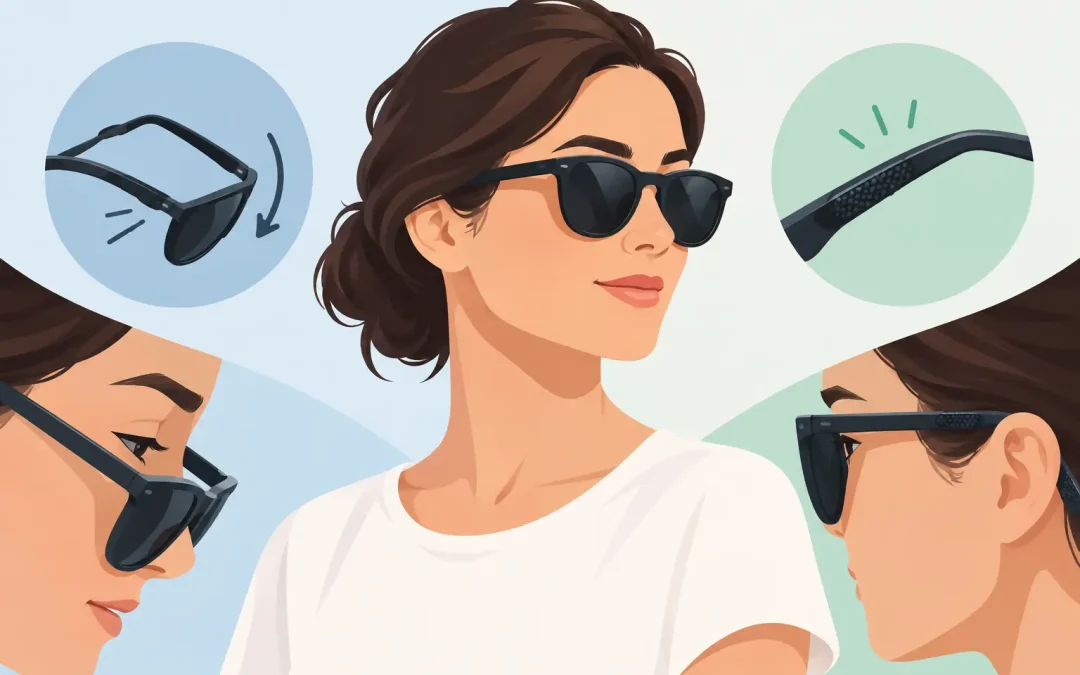
A frame stays put through contact at a few key points: the bridge of your nose, the temples along the sides of your head, and the area behind your ears. When one or more of those contact points is too loose, too smooth, or shaped incorrectly for you, gravity takes over.
The most common cause is a bridge that is too wide. The bridge is the part that rests across your nose. If it leaves too much room, the frame has no stable place to sit, so it gradually slides lower. This is especially common with low-bridge noses, smaller noses, and certain fashion frames designed with a wider, more open fit.
Temple fit matters just as much. Temples that are too wide do not provide enough gentle pressure at the sides of your head. Temples that are too long may not curve securely behind your ears. A lightweight frame can still slip if the temples do not help anchor it.
Then there is the everyday factor: skin. Sunscreen, moisturizer, makeup, humidity, and natural facial oils create a smoother surface. Add a warm commute or an active afternoon, and sweat makes even a reasonably well-fitting pair more likely to move. This does not mean your sunglasses are poor quality. It means the fit needs to match how and where you wear them.
The Role of Frame Weight and Materials
A bold oversized frame makes a major style statement, but more material can also mean more weight. Large lenses, thick acetate, decorative details, and heavy metal accents all place more pressure on the bridge of the nose. If the fit is already slightly loose, that extra weight makes slipping happen faster.
That does not mean you have to give up statement sunglasses. It simply means balance matters. A larger frame should have a bridge that sits securely and temples that feel stable without pinching. For daily wear in hot weather, driving, or outdoor activity, a lighter frame may feel more comfortable over several hours.
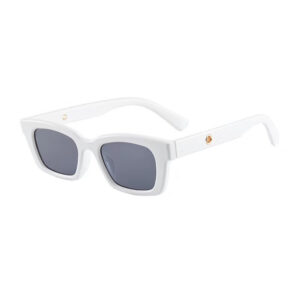
Smooth plastic frames can also shift more easily than styles with adjustable nose pads or rubberized details. Sports and cycling sunglasses often use grippy nose pads and temple tips for a reason: they are built to stay comfortable during movement and perspiration. A fashion-forward square frame may prioritize a clean, polished profile instead. Both have a place in your collection, but they serve different moments.
How to Tell Whether the Fit Is Off
Try your sunglasses on indoors before heading out. Look down at your phone, turn your head side to side, and smile or talk naturally. A good fit should feel secure without leaving deep pressure marks after a few minutes.
If the sunglasses immediately slide when you look down, the bridge is likely too wide or too smooth for your nose shape. If they only move once you walk outdoors, sweat, sunscreen, or frame weight may be the bigger issue. If one side sits lower than the other, the frame may be slightly out of alignment, especially if it has been stored loose in a bag or accidentally bent.
Pay attention to comfort, too. Tight sunglasses are not automatically secure sunglasses. When temples squeeze too hard, they can cause headaches and leave marks behind your ears. The right pair feels gently held in place, not clamped on.
Your Nose Bridge Shape Can Change the Fit
No two faces are exactly alike, and bridge height makes a visible difference in how sunglasses sit. A higher bridge can provide a natural resting point for many standard frames. A lower or flatter bridge may need a frame with built-up nose support, adjustable pads, or a more tailored low-bridge fit.
This is why a pair that looks amazing on a friend can slide on you. Face shape helps you choose a flattering silhouette, but bridge fit determines whether you will actually enjoy wearing it all day. Do not settle for a frame just because the lens color or trend is right. Comfort is part of the look.
Easy Fixes for Sunglasses That Keep Sliding
Start by cleaning the frame. Wipe the bridge, nose pads, and temple tips with a lens-safe cleaner and a soft microfiber cloth. Remove sunscreen, makeup, and oil from these areas, then make sure your skin is dry before putting the sunglasses back on. It is a small habit that can make a noticeable difference on a summer day.
If your frame has adjustable nose pads, they can often be carefully repositioned for a closer, more stable fit. This is usually easiest with metal frames. A local optical professional can make small adjustments to the pads or temples, often in just a few minutes. Avoid aggressively bending plastic frames at home, since too much force can warp the shape or cause damage.
For an occasional quick fix, clear silicone nose pads can add grip and slightly raise the frame off the skin. They are helpful when a favorite pair is close to fitting well but needs more traction. Keep in mind that stick-on pads can change the way the frame looks and may need replacing over time.
If slipping happens mostly during workouts, beach days, hikes, or bike rides, choose a purpose-built active style. Look for lightweight construction, curved temples, rubber grip points, and a wraparound profile that follows the face. Polarized lenses are a smart match for these settings because they can reduce reflected glare from roads, water, sand, and other bright surfaces.
Choose a Better-Fitting Pair Next Time
Shopping online for sunglasses gets easier when you know which measurements matter. Frame width should generally match the width of your face, not extend far beyond it. Lens width affects the overall look, while bridge width is especially important if your current sunglasses tend to slide. Temple length helps determine whether the arms will rest securely around your ears.
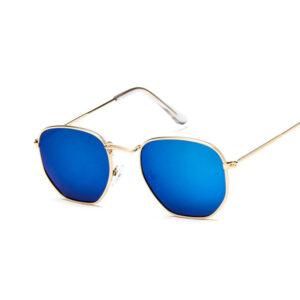
A narrower bridge is not always better. If it is too narrow, it can pinch or sit uncomfortably high. The goal is a stable fit that lets your sunglasses rest naturally without constant readjustment. Consider the type of frame you wear most often, too. Aviators with adjustable pads offer flexibility, while molded plastic frames depend more heavily on getting the bridge shape right from the start.
Think about your real routine rather than buying for a single photo. A colorful oversized pair may be perfect for brunch, vacation photos, and city style. A lightweight polarized pair might earn a permanent spot in your car for clear, comfortable driving. A durable kids’ frame needs a secure fit because children rarely stand still long enough to keep adjusting their glasses.
Kooleyes makes it easy to match your sunglasses to the moment, whether you want a retro-inspired fashion frame, driving-ready polarized lenses, or sport-focused shades that can keep up with your day. The best choice is not only about what is trending. It is about finding the pair that makes you feel confident from the first step outside.
When Slipping Means It Is Time to Replace Them
Sometimes adjustment is not enough. If your sunglasses have stretched temples, cracked nose pads, a warped front, or hinges that no longer sit evenly, they may never feel as secure as they once did. Frames also change over time when they are left on a hot dashboard, tossed into a bag without a case, or repeatedly worn on top of the head.
Protect their shape by storing sunglasses in a case and avoiding excessive heat. When you take them off, use both hands rather than pulling one temple away from your face. Those simple habits help keep the frame aligned and your fit more consistent.
Your sunglasses should complement your day, not demand constant attention. Choose a bridge that feels secure, a frame weight you can wear comfortably, and lenses that support clear vision in bright conditions. When the fit is right, you can leave the push-up routine behind and shade your world in style.