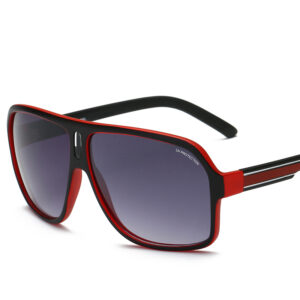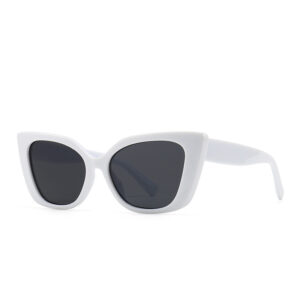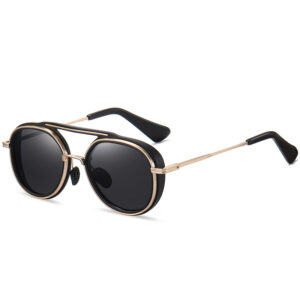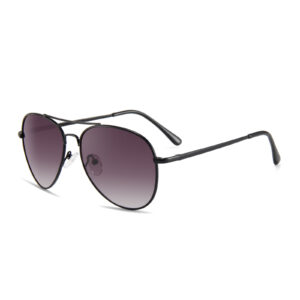
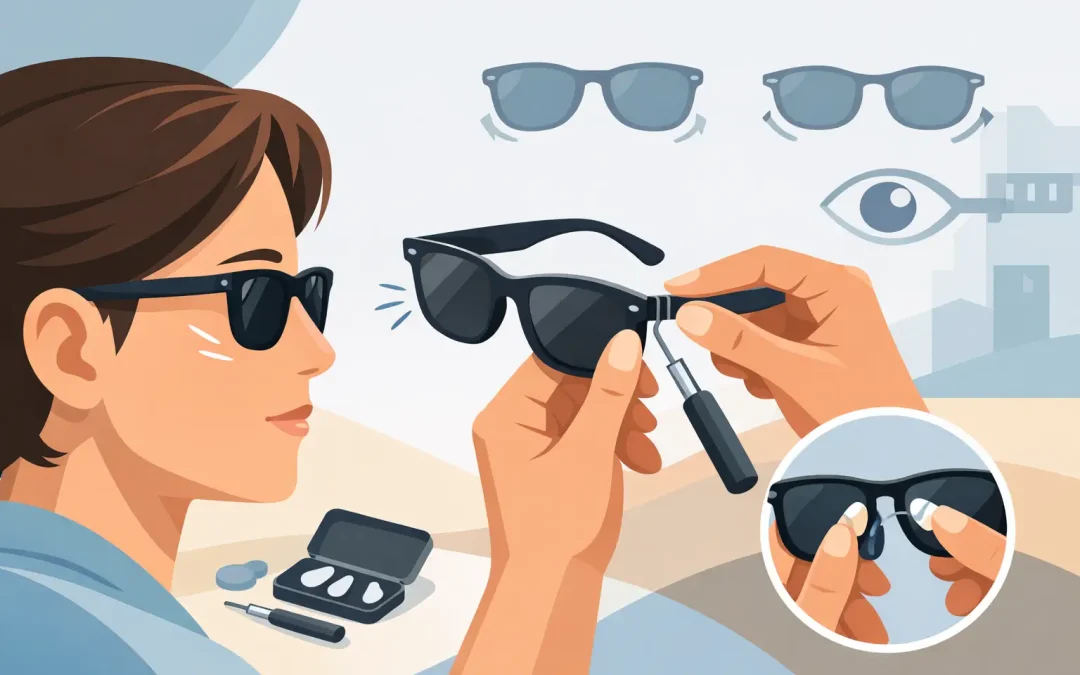
A great pair of sunglasses should stay put when you turn your head, look down at your phone, or head outside for a sunny drive. If yours keep sliding down your nose, feel crooked, or wobble at the hinges, learning how to adjust loose sunglasses can bring back that comfortable, confident fit without replacing your favorite frames.
Most quick fixes take only a few minutes. The key is knowing which part of the frame is loose and using a gentle touch. Sunglasses are made to handle everyday wear, but lenses, hinges, and lightweight arms can be damaged by forcing an adjustment.
First, Find Out Why Your Sunglasses Feel Loose
Not every loose fit has the same cause. Hold your sunglasses by the bridge and gently move each arm. If an arm wiggles near the hinge, a tiny screw is probably loose. If the sunglasses slide forward but the hinges feel secure, the issue may be the nose pads, the bridge fit, or temples that have widened over time.
Set the frames on a flat table with the lenses facing up. If one temple sits noticeably higher than the other, the frame may be slightly twisted. This can happen after the sunglasses are stuffed into a bag, left in a hot car, or bent while being taken off with one hand.
Before adjusting anything, clean the frame and lenses with a microfiber cloth. Sunscreen, skin oil, and sand can make a pair feel slippery even when the fit is actually fine. If the lenses are polarized, use a lens-safe cleaner rather than household glass spray, which can affect lens coatings over time.
How to Adjust Loose Sunglasses With Loose Hinges
Loose hinge screws are one of the easiest fixes. You will need a small eyeglass screwdriver, usually found in an eyewear repair kit. A screwdriver that is too large can strip the screw head, so choose one that fits neatly into the slot.
Open the temples fully and place the sunglasses on a stable surface. Turn the hinge screw clockwise in very small increments, checking the arm after each turn. Stop when the temple opens and closes smoothly with a little resistance. Overtightening can make the hinge stiff or put extra stress on the frame.
If the screw keeps loosening, remove it only if you are comfortable handling tiny parts. Apply the smallest possible dot of clear, non-permanent thread-locking product to the threads, then reinstall it. Do not use super glue. It can seep into the hinge and turn a simple repair into a permanently stuck arm.
A missing screw is also an easy repair, but it is best to use a screw designed for eyewear. In a pinch, an optical shop can usually replace one quickly. Avoid forcing in a random pin or wire, which may scratch the frame or throw off the hinge alignment.
Adjust the Temples for a More Secure Fit
The temples are the arms that run over your ears. When they spread outward too far, sunglasses lose the gentle grip that keeps them stable during a walk, bike ride, or beach day.
For metal-frame sunglasses, you can often make a small adjustment by carefully bending the temple ends inward. Work slowly with clean hands, supporting the frame near the hinge while applying light pressure at the curved section behind the ear. Adjust both sides evenly, then try the sunglasses on. A few millimeters can make a real difference.
Plastic frames need more caution. Rigid acetate-style frames can crack when bent cold, especially if they have been exposed to sun, heat, or low temperatures. If the arms on plastic sunglasses have become wide and loose, the safest option is an eyewear professional. They can warm the frame in a controlled way before reshaping it.
Never use a hair dryer, boiling water, an open flame, or a heat gun at home. Too much heat can warp the frame, loosen lens coatings, or change the shape of the lenses. That risk is not worth a quick DIY shortcut, particularly with sunglasses you love.
Tighten the Nose Fit Without Squeezing the Bridge
If your sunglasses slide down even when the temples feel secure, look at the nose area. Metal frames with adjustable nose pads offer the most flexibility. The pads should rest evenly on either side of your nose without digging in or leaving deep marks.
To make metal nose pads grip a little more securely, gently move the pads closer together using your fingers. Make tiny adjustments only. Bringing them too close can cause pinching and leave your sunglasses sitting too high.
If the frames sit too high or feel tight, carefully move the pads slightly farther apart. Check that both pads remain level, since uneven pads can make the lenses look crooked on your face.
Plastic frames without separate nose pads are harder to alter safely at home. Their fit depends on the shape of the molded bridge. For a simple, removable solution, clear silicone nose pads or anti-slip nose grips can add traction and reduce sliding. They are especially handy in humid weather, during workouts, or when sunscreen makes skin more slippery.
Straighten Crooked Sunglasses Carefully
When one lens sits higher than the other, resist the urge to twist the frame hard in the opposite direction. That move can pop out a lens or snap a hinge.
Instead, place the sunglasses on a flat surface again and identify which temple is lifted. If the right temple hovers above the table, gently bend that arm downward at the point where it meets the frame, using only light pressure. For metal frames, a subtle adjustment can be enough. For plastic frames, stop if you feel resistance.
Try the sunglasses on after every small change. A level frame on a table is useful, but your ears and nose are not perfectly symmetrical. The real goal is a pair that looks straight and feels balanced on your face.
Small Fixes That Help Sunglasses Stay Put
Sometimes the right answer is not reshaping the frame. Everyday accessories can improve comfort while preserving the original look of your sunglasses. Consider silicone temple sleeves for active days, nose grips for low-bridge fits, or a lightweight eyewear retainer for cycling, boating, and travel.
These options are practical when you share sunglasses with someone else, wear your hair up and down in different styles, or need extra hold during movement. They also help extend the life of a fashion frame that fits beautifully for casual wear but needs more security for sports.
Fit can change with the season, too. Skin oil, sweat, sunscreen, hats, hairstyles, and even weight changes can affect how sunglasses sit. A pair that felt perfect in cool weather may slide more in summer, so it makes sense to adjust your approach rather than aggressively bend the frame.
When to Skip the DIY Fix
Home adjustments are best for minor problems. Take your sunglasses to an optical professional if the frame is cracked, a lens is loose, a hinge is bent, or the arms are badly misaligned. This is especially true for rimless styles, wraparound sports sunglasses, and frames with complex spring hinges.
You should also get help if the sunglasses suddenly fit differently after being dropped or stepped on. A hidden bend around the lens rim can affect how the lenses sit, and trying to correct it by hand can cause more damage.
For children’s sunglasses, check the fit often but keep adjustments gentle. Kids are active, and a secure fit matters for comfort and for keeping UV-protective lenses where they belong: over their eyes, not sliding halfway down their nose.
A few careful adjustments can make an affordable, style-forward pair feel custom fitted again. Keep a microfiber cloth and small repair kit nearby, handle your frames with both hands, and choose sunglasses that make you feel ready to look sharp, see clearly, and enjoy every bright day ahead.