That sharp flash bouncing off a windshield, wet road, or pool is more than annoying. It can make you squint, hide details in your view, and leave your eyes feeling tired long before the day is done. So, are polarized lenses worth it? For most people who drive, spend time near water, or simply want more comfortable outdoor vision, the answer is yes – provided you choose a pair with real UV protection and a frame you will actually enjoy wearing.
Polarized sunglasses are one of those upgrades you notice quickly. Colors can look more defined, harsh reflections calm down, and bright days feel easier on your eyes. They are not a must-have for every single situation, though. Knowing where polarization shines, and where it can be less useful, makes shopping smarter.
What polarized lenses actually do
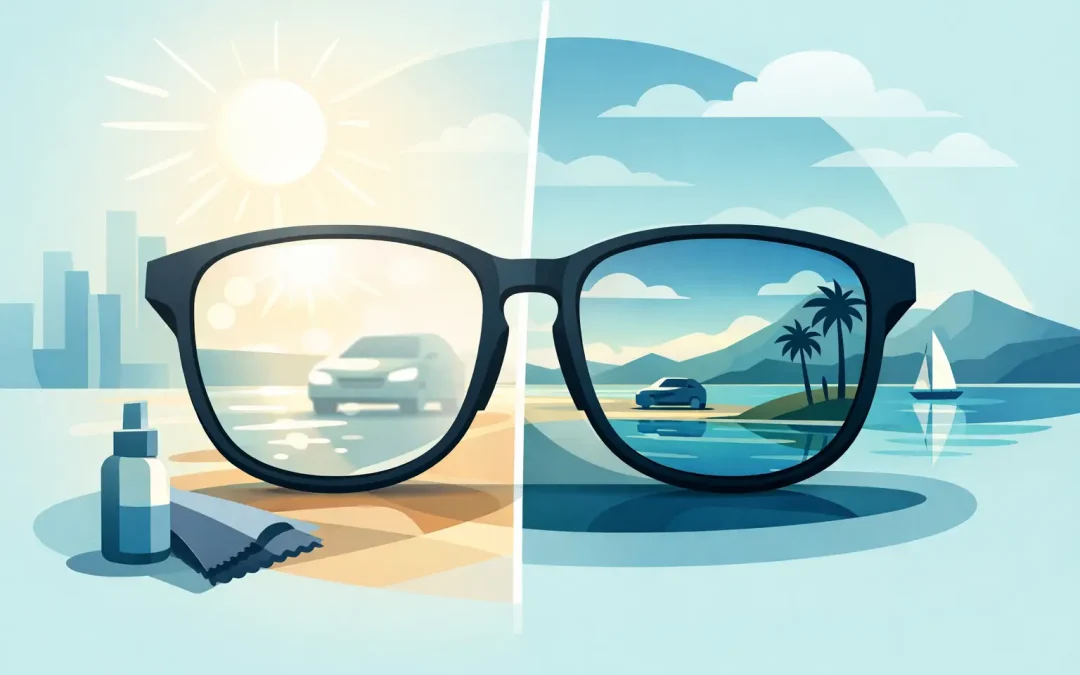
Sunlight travels in many directions. When it hits a flat, reflective surface like pavement, a car hood, water, snow, or a glass building, much of that light bounces toward your eyes in a concentrated horizontal direction. That is glare.
A polarized lens contains a special filter that blocks much of this horizontal reflected light. The goal is not to make everything dark. It is to reduce the blinding shine that makes it harder to see comfortably and clearly.
Think about driving west in late afternoon. Regular tinted lenses can make the whole scene dimmer, but the glare coming off the road may still bother you. Polarized lenses are designed to target that glare, which can make lane markings, traffic, and changing road surfaces easier to pick out.
This distinction matters: polarization and UV protection are not the same thing. Polarization controls glare. UV protection helps shield your eyes from harmful ultraviolet rays. The best sunglasses offer both, so you get visual comfort along with dependable sun protection.
Are polarized lenses worth it for your routine?
If your weekends involve the beach, lake days, road trips, patio lunches, or outdoor workouts, polarized sunglasses can earn their place fast. They are an everyday comfort feature, not something reserved only for serious athletes.
Driving feels less harsh
Driving is one of the strongest reasons to choose polarized lenses. Roads, windshields, dashboards, and nearby cars all create reflections, especially after rain or during bright midday sun. Reducing that glare can help you keep your focus on the road instead of constantly narrowing your eyes.
For commuters, this benefit is not just about comfort. Less squinting can mean fewer headaches and less visual fatigue after a long drive. A classic aviator, sporty wrap frame, or clean square style can all work well here. The important part is choosing a comfortable fit with enough coverage at the sides.
Water and beach days look better
Anyone who has tried to look into the water on a sunny day knows how powerful surface glare can be. Polarized lenses reduce the reflective layer on top of the water, so you may see more of the color, movement, and detail underneath. That is useful for boating, fishing, paddleboarding, and relaxing by the shore.
They also make beach time more comfortable when sunlight is bouncing off sand, waves, and bright outdoor furniture. A colorful fashion frame can give you the look you want, while polarized lenses handle the hard-working part.
Outdoor sports get a clearer view
Cyclists, runners, hikers, and golfers often deal with changing light and reflective surfaces. Polarized lenses can help reduce flashes from pavement, metal equipment, wet trails, and nearby cars. Wraparound or sport-inspired frames are especially useful when you want more coverage from sun, wind, and side glare.
For cycling, fit matters as much as lens technology. Look for a secure frame that stays put when you move and does not press uncomfortably behind your ears. Great sunglasses should feel like part of your outfit, not another piece of gear you cannot wait to take off.
Everyday errands become easier on the eyes
You do not need a boat or a bike to appreciate polarization. Walking through a sunny parking lot, sitting outside at brunch, traveling, or picking up the kids can all involve intense reflected light. Polarized lenses make a difference in those ordinary moments, too.
That makes them a practical choice for anyone who wears sunglasses frequently. When a feature improves your comfort several times a week, the extra value is easy to feel.
When polarized lenses may not be the best choice
Polarized lenses have a few trade-offs, and they are worth considering before you buy. The biggest one involves digital displays. Some LCD screens, including certain car dashboards, phones, navigation units, and airplane displays, can look darker or show unusual color patterns when viewed through polarized lenses at an angle.
This is not always a dealbreaker. Many drivers wear polarized sunglasses happily every day. Still, if you rely heavily on a particular display for work, flying, or specialized equipment, test your sunglasses with it when possible.
Polarization can also make icy patches or certain slick surfaces harder to spot in specific lighting conditions because it reduces the reflected shine that sometimes reveals them. For snow sports or activities where reading surface sheen is essential, a lens designed specifically for that activity may be a better fit.
Low-light use is another consideration. Polarized sunglasses are made for bright conditions, not dusk, nighttime driving, or dark indoor spaces. If you are shopping for night-driving glasses, look for lenses intended for low-light visibility rather than assuming polarization is the answer.
Polarized vs. non-polarized sunglasses
Non-polarized sunglasses can still be stylish, comfortable, and protective when they include proper UV protection. They may be all you need if you mostly wear shades for short walks, fashion looks, or occasional sunny days without much driving or water exposure.
The difference comes down to reflected glare. Standard tinted lenses lower the overall brightness. Polarized lenses lower brightness while also filtering much of the harsh reflected light coming from flat surfaces.
If the price gap is small, polarized lenses are often the better value for regular outdoor wear. You get a noticeable comfort upgrade without needing to change your style. If your budget is tight and you only wear sunglasses occasionally, prioritize UV protection, a comfortable fit, and a frame you love first.
How to choose a pair you will wear often
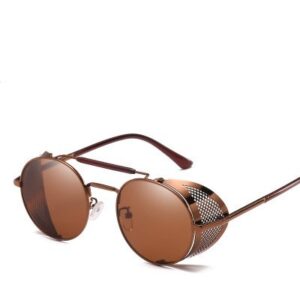
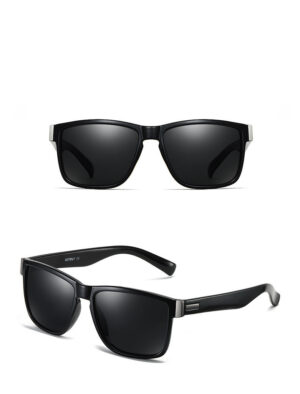
A polarized lens works best when the rest of the sunglasses work for your life. Start with the frame shape. Aviators bring easy, timeless confidence. Square and rectangular frames create a sharp, modern edge. Oversized styles add coverage and statement appeal, while sport frames are built for movement and active days.
Then consider lens color. Gray lenses tend to offer natural-looking color perception and work well for general driving and daily wear. Brown or amber lenses can enhance contrast, which many people enjoy for outdoor activities and variable light. Mirrored lenses add a bold finish and can provide extra comfort in very bright settings, depending on the lens design.
Do not overlook fit. Frames should sit securely without pinching your nose or temples. They should not slide when you look down, and your lashes should not brush the lenses. A comfortable pair is more likely to become the sunglasses you grab every time you leave the house.
For children, UV protection and a secure fit should lead the decision. Kids spend plenty of time outdoors, often around highly reflective pavement, playground equipment, and water. Polarized lenses can be a useful extra for young beachgoers, active families, and kids who are sensitive to bright light, while fun colors make the habit easier to keep.
A quick way to check polarization
If you already own a pair and are unsure whether the lenses are polarized, look at an LCD screen while wearing them. Slowly tilt your head from side to side. With many polarized lenses, the screen will become noticeably darker at a certain angle.
This is only a quick at-home check, not a full quality test. It does not tell you whether the sunglasses offer adequate UV protection, whether the lenses are optically clear, or whether they are right for your needs. For that, product details still matter.
The real value is comfort you notice
Polarized lenses are worth it when glare regularly gets in your way. They can make driving more relaxed, water views clearer, outdoor activities more enjoyable, and everyday sunshine easier to handle. Their limitations with certain screens and specialty uses are real, but for most sunny-day routines, they are a smart upgrade.
Choose a pair that matches your face, your style, and the places you actually go. When your sunglasses make you look sharp and see clearly, you will have every reason to wear them before the glare starts.