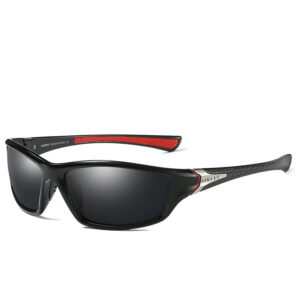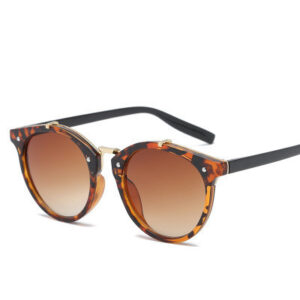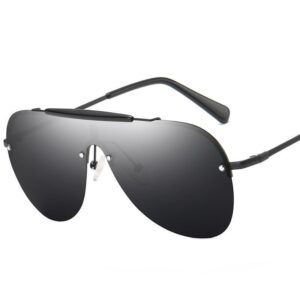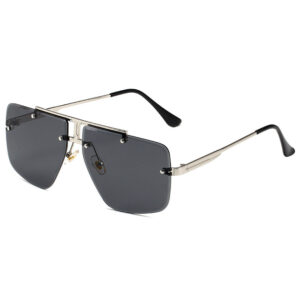
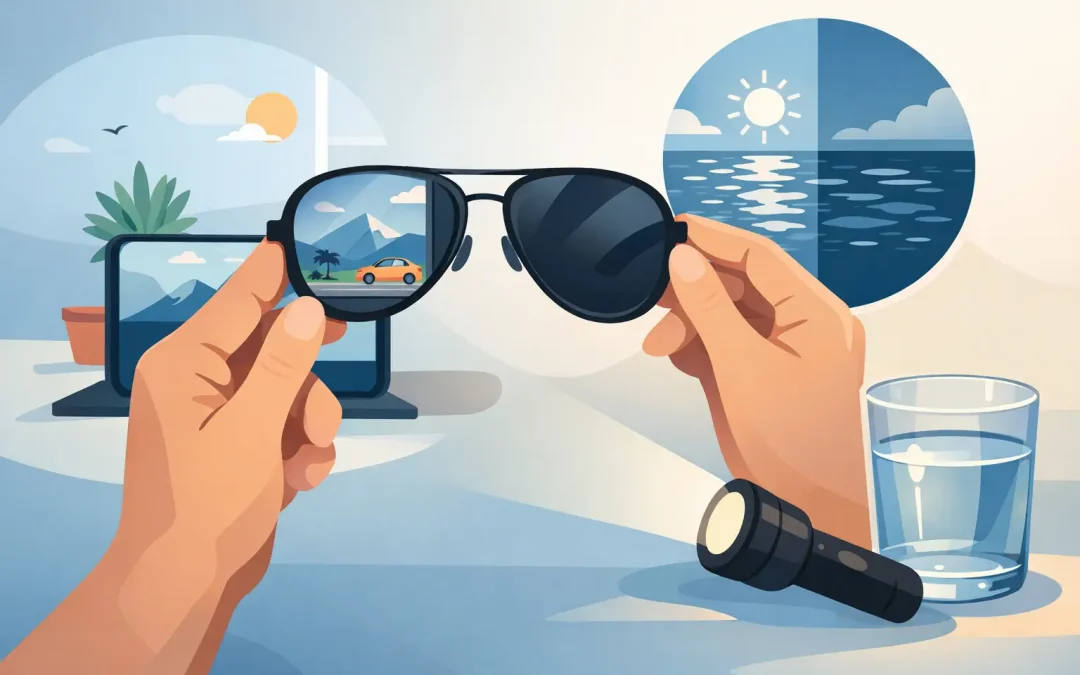
That sharp white glare bouncing off a windshield, pool, or wet road can make even a great outfit feel less put together. Polarized sunglasses are designed to cut much of that distracting reflected glare, helping your view look more comfortable and defined. If you want to know how to test sunglass polarization, you do not need lab equipment or an optical degree. A phone screen, another pair of polarized lenses, or a bright reflective surface can give you a useful answer in minutes.
Polarization is not just a label to look for when shopping. It is a lens feature you can often see in action – especially when you drive, spend time near water, cycle, or enjoy bright city days. Here is how to check it with confidence.
How to Test Sunglass Polarization With a Phone Screen
The easiest at-home method uses an LCD screen. Many computer monitors, tablets, digital displays, and older phone screens produce polarized light. When a polarized sunglass lens is turned against that light at the right angle, the screen should become noticeably darker.
Start by opening a bright white screen on your device and turn its brightness up. Hold one sunglass lens in front of the screen, then slowly rotate the glasses about 90 degrees. Watch the screen through the lens as you turn it.
With polarized lenses, you should see a clear change in brightness. At one angle, the screen may look normal or lightly tinted. As you rotate the glasses, it should become much darker, sometimes close to black. Rotate the glasses back and the brightness should return.
The effect can vary by device, screen settings, and lens tint, so do not expect every display to react identically. Some newer screens may not show a dramatic change. If the result is subtle or unclear, try a laptop, a tablet, a car display, or another test below before making a decision.
What a positive screen test looks like
The key is not simply that the lenses make the screen darker. Any dark lens can do that. You are looking for a change as you rotate the frame. A polarized filter blocks light traveling in one direction, which is why the image dims strongly at a particular angle.
This is also why polarized sunglasses can make certain digital displays harder to read when your head is tilted. It is a normal trade-off, not a defect. Pilots, some motorcyclists, and anyone who relies on LCD instruments should make sure their preferred screen remains readable before choosing polarized eyewear for that activity.
Try the Two-Pair Polarization Test
If you have a second pair of sunglasses that you know is polarized, you can use it as a quick comparison. Hold the two lenses directly in front of each other while looking toward a bright, evenly lit area. Slowly rotate one pair 90 degrees.
When both pairs are polarized, the overlapping lenses should darken significantly at a certain point in the rotation. When they are aligned, more light passes through. When their filters are crossed, much less light gets through.
This test is especially handy when you are comparing a new pair with sunglasses you already wear for driving or beach days. Keep in mind that lens color can affect how dramatic the result looks. Gray, brown, green, mirrored, and fashion-tinted lenses can all be polarized, so focus on the rotation effect rather than the shade of the lens.
Use Real-World Glare as Your Test
Polarized lenses earn their place outdoors. For a practical test, find a nonmetallic reflective surface on a sunny day: water, a wet street, a car hood, a glossy sidewalk, or a bright window can work well. Look at the glare through the sunglasses, then tilt your head slowly from side to side.
With polarized lenses, the harsh reflected shine should noticeably reduce at one head angle. Details beneath or beyond the reflection may become easier to see. Near water, for example, you may notice more definition on the surface and less eye-squeezing sparkle. On the road, the glare from rain-darkened pavement can look less intense.
Do not use the direct sun for this test. Looking at the sun through any sunglasses is unsafe and does not tell you whether the lenses are polarized. Reflected glare is the feature you want to observe.
Can a Polarization Test Card Help?
Some optical stores and sunglass sellers use a polarization test card. These cards contain an image or pattern that becomes visible when viewed through polarized lenses. They are simple, fast, and fun to use, but they are not necessary for everyday shoppers.
A test card can confirm that a polarized filter is present, but it does not reveal the full quality of the lens, the frame fit, or whether the glasses offer the UV protection you need. Think of it as one check, not the entire story.
Polarized Does Not Automatically Mean UV Protected
This is the detail worth remembering before you head to checkout: polarization and UV protection do different jobs.
Polarization reduces reflected glare. It can improve visual comfort on bright roads, water, snow, sand, and other shiny surfaces. UV protection blocks harmful ultraviolet rays from reaching your eyes. You ideally want both, because a lens can be polarized without providing adequate UV protection, and a UV-protective lens can be non-polarized.
Look for clear product information stating UV400 or 100% UVA/UVB protection. Dark lenses alone are not proof of UV protection. In fact, a dark lens without proper UV filtering can be a poor choice because your pupils may open wider behind the tint.
For everyday style, a pair that combines polarized lenses, UV protection, and a frame you genuinely want to wear is the smart move. The best sunglasses are the ones that make it out the door with you – whether you are heading to brunch, a beach weekend, a long drive, or your child’s afternoon game.
Why Your Lenses May Not Pass Every Home Test
A failed phone-screen test does not always mean the sunglasses are not polarized. Technology matters. Some screens use different display types, screen protectors can alter the effect, and your device may be held at an angle that makes the change harder to spot. Very dark lenses can also make it difficult to judge the shift in brightness.
Try the same test on another screen, then use a reflective outdoor surface as a second check. If neither method shows a change and the product was sold as polarized, review its included documentation or contact the seller for clarification.
Also, do not confuse polarized lenses with photochromic lenses. Photochromic lenses become darker in bright light. Polarized lenses filter directional glare. A lens can have one feature or, in some cases, both.
Choosing Polarized Sunglasses for Your Routine
Your lifestyle should guide the frame and lens choice. For driving, polarized lenses can help tame glare from the road, passing cars, and wet pavement. For fishing, boating, and beach days, they can make bright water reflections more manageable. For cycling and outdoor sports, wraparound coverage can help block side light, wind, and dust while keeping the look active.
For city wear, polarization is still a welcome upgrade. Pavement, glass buildings, car windows, and sidewalk puddles all throw back light. Choose a shape that feels like you – classic aviators, sharp rectangles, oversized squares, colorful retro frames – then let the lens technology handle the glare.
Fit matters just as much as lens features. Sunglasses should sit comfortably without pinching your nose or slipping when you look down. Lenses that cover your eyes well provide better protection from light coming in around the frame. For kids, lightweight frames and a secure fit make a real difference because sunglasses only protect eyes when they stay on.
A quick polarization test is a useful way to feel confident about what you are wearing, but the real proof arrives when the glare drops and your day looks clearer. Pick the pair that protects your eyes, suits your plans, and makes you feel ready to step outside looking sharp.