The best sunglasses for beach days do more than finish a great swim look. They help cut the glare bouncing off the water, sand, and boardwalk while shielding your eyes from intense UV exposure. The pair you toss into your beach bag should feel light, stay comfortable in bright heat, and look good enough for every photo between the first towel drop and sunset.
At the beach, sunlight comes at your eyes from more than one direction. Direct sun is only part of the story. Sand and water reflect light upward, creating the kind of glare that can make you squint even under a wide-brim hat. That is why lens protection and clarity deserve just as much attention as frame color or shape.
What Makes the Best Sunglasses for Beach Wear?
A beach-ready pair starts with dependable UV protection. Look for lenses labeled UV400 or 100% UV protection. This means they are designed to block both UVA and UVB rays, helping protect your eyes during long days outdoors. Darker lenses alone do not guarantee protection. A dark lens without proper UV filtering can cause your pupils to open wider while harmful rays still reach your eyes.
Polarized lenses are another smart choice for the shore. They filter much of the harsh reflected glare coming off water, wet pavement, boat decks, and pale sand. The result is a more comfortable, clearer view when you are walking the coastline, watching waves, driving to the beach, or relaxing near the pool.
Polarization is especially useful if you spend the day near the water, but it is not mandatory for every beach plan. If your visit is mostly a quick café stop, a sunset stroll, or a photo-focused afternoon, a stylish UV400 pair may be all you need. For all-day comfort in high glare, polarized sunglasses usually earn their place in the bag.
Choose Lenses for Light, Glare, and Your Plans
The right lens color can change how the beach looks and how your eyes feel after hours outside. Gray lenses are a classic option because they reduce brightness while keeping colors close to their natural appearance. They are easy to wear from the sand to the street and suit almost every outfit.
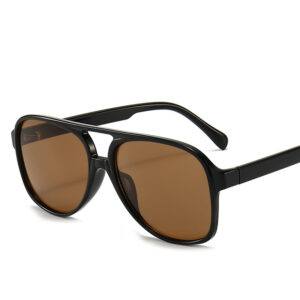
Brown and amber lenses add warmth and can boost contrast, making details in the sand, surf, and boardwalk easier to see. They are a strong pick for beach volleyball, cycling along the coast, or active travel days where changing light is part of the plan. Green lenses offer balanced color perception with a crisp, relaxed feel.
Mirrored lenses bring extra style while helping reduce visible light. They look right at home in bright, sunny settings, especially in sporty wraparound frames or bold aviators. Keep in mind that mirror coatings are a surface finish, not a replacement for UV protection or polarization. Check for the protection features first, then choose the finish that fits your style.
For a classic beach look, dark gray, brown, green, or gradient lenses are hard to beat. Gradient lenses are darker at the top and lighter at the bottom, which can feel more comfortable when you are reading a menu, checking your phone, or moving between bright sunlight and shade. They are fashionable and practical, though a fully tinted polarized lens may handle intense midday glare better.
Find a Frame That Stays Comfortable in the Heat
Beach sunglasses should be easy to wear for hours, not just impressive for five minutes in the mirror. Lightweight plastic frames are popular because they offer plenty of color and shape options without weighing down your face. They also work well for carefree vacation styling – think clear frames, bright colors, oversized squares, or soft cat-eye silhouettes.
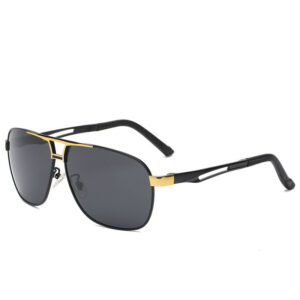
Metal frames, especially aviators, deliver a clean, timeless finish. They can look polished with a linen shirt, swimsuit cover-up, or resort-ready outfit. Choose a pair with adjustable nose pads if fit is often an issue, since they can help keep the frame positioned comfortably on your nose.
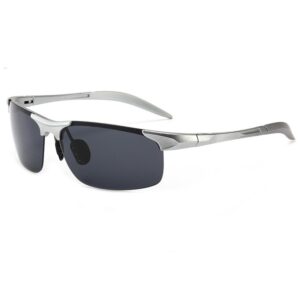
If you are active, consider a sportier frame with a closer fit. Wraparound sunglasses provide more side coverage than a flat-front fashion frame, which can be useful on a boat, while cycling, or during beach runs. The trade-off is style versatility. A wraparound pair performs beautifully in motion, while a square or aviator frame may be easier to wear from the beach to dinner.
Fit matters more than many shoppers expect. Your sunglasses should sit securely without pinching at the temples or sliding down every time you look toward the water. A frame that is too wide may slip, while one that is too narrow can create pressure headaches. If you tend to wear sunglasses for long stretches, favor smooth edges, a balanced bridge, and lightweight materials.
Match Your Beach Style to Your Face Shape
The beach gives you permission to go a little bolder. Sunglasses are one of the easiest ways to add personality to a simple swimsuit, tank, tee, or breezy button-down. Start with a shape that makes you feel confident, then use color and lens finishes to make it your own.
Square and rectangular frames add definition and work especially well for rounder facial features. Their clean lines look sharp with casual beachwear and suit anyone who prefers a modern, put-together style. Oversized square sunglasses also provide generous coverage, which is useful when the sun is high and the day is long.
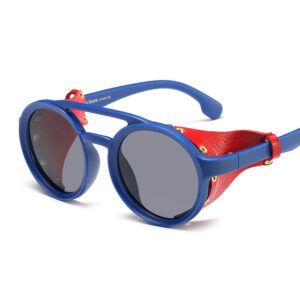
Round frames soften angular facial features and bring a retro feel that works beautifully with relaxed vacation outfits. Aviators are a dependable middle ground. Their versatile shape suits many face types, and they can lean classic, sporty, or fashion-forward depending on the lens color and frame finish.
Cat-eye sunglasses add lift and a confident, polished edge. They are a favorite for anyone who wants their beach accessories to feel a little more expressive. Clear, pink, blue, or patterned frames can also make a simple beach outfit feel instantly more personal without requiring a luxury-price splurge.
The most flattering option is still the one you will actually wear. If you love the look of oversized frames but they overwhelm your features, try a medium-size square frame. If tiny retro sunglasses look great in photos but leave too much sun around your eyes, choose a slightly larger round shape with better coverage.
Do Not Forget Coverage and Durability
Wide lenses and frames that sit close to the face can help reduce light entering from the sides. This does not mean every beach pair needs to be oversized, but it does mean coverage is worth considering when you are spending hours near reflective surfaces. Larger lenses are particularly helpful for boating, fishing, lounging by open water, and beach days with minimal shade.
Durability matters, too. Sand gets everywhere, and beach bags can be rough on delicate frames. A sturdy pair with scratch-resistant lenses is a practical choice for travel. If you are packing sunglasses alongside sunscreen, keys, snacks, and a phone charger, use a protective case instead of placing them loose in the bag.
Saltwater and sunscreen can leave a film on lenses and frames. Rinse sunglasses gently with fresh water after a beach day, then dry them with a clean microfiber cloth. Avoid wiping sandy lenses dry, since trapped grit can cause scratches. A little care keeps your lenses clearer and your favorite frame looking fresh all season.
One Pair or a Beach Sunglasses Rotation?
A single versatile pair can cover most plans: polarized gray or brown lenses in a comfortable square frame, aviator, or sporty style. This is the easy choice for travelers who want protection, comfort, and a look that works anywhere.
But a small rotation makes sense if your beach days vary. Keep one polarized pair for driving, water activities, and the brightest hours. Add a fashion pair in a colorful, oversized, or retro shape for pool parties, brunch, and sunset photos. If children are joining the trip, make sure they have sunglasses with real UV protection, a comfortable fit, and a frame they are excited to keep on.
Kooleyes makes it easier to build that rotation with fashion-forward polarized and UV-protective styles designed for everyday budgets. You do not have to choose between looking sharp and seeing clearly.
Before you head out, try your sunglasses on in bright light, not only indoors. Check that they feel stable when you turn your head, cover your eyes well, and make the view more comfortable without changing the colors in a way you dislike. The right pair lets you focus less on squinting and more on the salt air, the sunshine, and the plans still waiting after the tide rolls in.