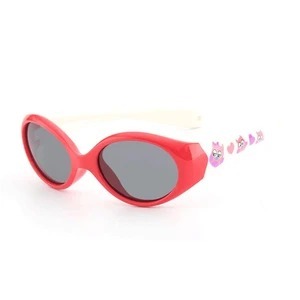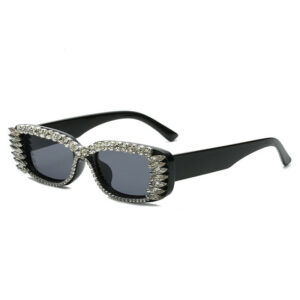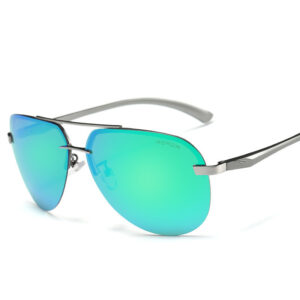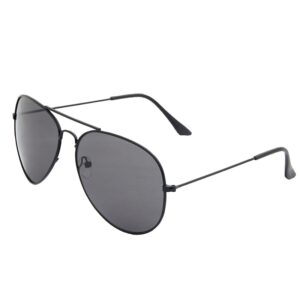

A great pair of sunglasses can pull together a beach outfit, make a long drive more comfortable, and give your eyes a break from harsh glare. Then one careless wipe on a dusty lens leaves a mark right in your line of sight. Knowing how to prevent sunglass scratches is less about buying expensive gear and more about building a few smart habits around the pair you already love.
Whether you wear polarized driving glasses, bold square frames, sporty cycling shades, or colorful kids’ sunglasses, the goal is the same: keep lenses clear, frames looking sharp, and UV protection ready for every sunny plan.
How to Prevent Sunglass Scratches From Day One
The fastest way to scratch sunglasses is to treat them like an accessory that can be tossed anywhere. Lenses often have protective coatings, but those coatings are not invincible. Fine dust, beach sand, makeup residue, and the loose change at the bottom of a bag can all create small scratches over time.
Start with a case. A hard-shell case offers the strongest protection for travel, gym bags, backpacks, glove compartments, and luggage. A soft microfiber pouch is lighter and works well for a pocket or tote, but it will not protect your sunglasses from getting crushed. If you carry sunglasses everywhere, use the hard case for transit and keep the pouch handy for quick, clean storage.
Never place sunglasses lens-down on a table, car console, restaurant counter, or poolside chair. It takes only a second for grit on that surface to leave a faint scuff. Set them down with the lenses facing up, fold the temples neatly, or slide them directly into their case.
This matters even more for mirrored, polarized, and fashion-tinted lenses. Those finishes make a strong style statement, but visible marks can be more noticeable under bright sunlight. Clear lenses look better, feel better, and help you enjoy the glare-reducing benefits you chose them for.
Clean Lenses Without Creating Tiny Scratches
A dry shirt hem may seem convenient, but it is one of the most common causes of lens damage. Cotton fabric can trap dust and debris, then drag it across the lens. Paper towels, tissues, napkins, and the corner of a towel are also too rough for regular lens cleaning.
The safe routine is simple. First, rinse the sunglasses with lukewarm water to remove loose particles. Then use a small drop of mild dish soap if sunscreen, skin oil, or saltwater is stuck to the lens. Gently rub with clean fingers, rinse again, and dry with a fresh microfiber cloth.
Microfiber is not magic if it is dirty. A cloth that has been rolling around in a purse, car, or jacket pocket can collect particles that scratch just as easily as any other material. Keep one microfiber cloth in a clean pouch or case, and wash it regularly without fabric softener. Fabric softener can leave residue that causes streaks.
Lens sprays can be useful when you are away from a sink, especially after commuting or driving. The key is to brush or blow away visible dust first, use enough spray to lubricate the surface, and wipe gently with clean microfiber. Never rub a dry, sandy lens just because you want a quick photo-ready shine.
Be careful with household cleaners
Window cleaner, vinegar, alcohol-heavy cleaners, and strong degreasers are not the answer. They may remove grime, but repeated use can damage lens coatings or leave them looking cloudy. If your sunglasses have mirrored, anti-reflective, or polarized lenses, mild soap and water is the safest everyday choice.
Hot water is another skip. Extreme heat can affect lens coatings and may warp some frames. Lukewarm water gives you the cleaning power you need without the unnecessary risk.
Keep Sand, Heat, and Pressure Away
Some scratch risks are obvious. Beach sand is not. It gets everywhere, and even a tiny grain can act like sandpaper when rubbed over a lens. At the beach, rinse sunglasses with fresh water before wiping them. Do not use the hem of a cover-up, swim shirt, or beach towel, no matter how tempting it is.
The same rule applies after hiking, cycling, and outdoor sports. Dust, sweat, and road grit can build up quickly. A quick rinse when you get home protects both your lens clarity and your next wear.
Heat can also shorten the life of sunglasses. Leaving a pair on a dashboard exposes it to direct sun and high temperatures, which can affect frames and lens coatings. Store them in a case in a shaded compartment instead. If you need sunglasses within reach while driving, use a visor clip with a soft interior or a dedicated compartment that keeps lenses from touching hard surfaces.
Pressure is the other quiet troublemaker. Do not sit on sunglasses, shove them into a packed pocket, or wedge them between a laptop and a water bottle. Bent frames can put uneven pressure on lenses, while loose items can scrape both the frame front and the temples. Affordable sunglasses deserve the same care as a premium pair, especially when they are your go-to style.
Build a Scratch-Smart Routine for Everyday Wear
The best protection is the habit you will actually keep. Give your sunglasses one reliable home at home, one in your bag, and one in your car if you drive often. When they always go back to the same safe spot, they are far less likely to end up under keys, cosmetics, or sports gear.
For parents, a bright hard case is often easier for kids to find and use than a small black pouch. Teach children to place their sunglasses in the case before running, climbing, or dropping a backpack on the floor. Kids’ sunglasses are made for fun outdoors, but a simple storage habit helps them survive the playground, vacation, and everyday adventures.
If you swap styles based on your outfit or activity, avoid piling pairs together in one drawer. Frame-on-frame storage can scratch lenses and leave marks on glossy finishes. Separate each pair with its own pouch, divider, or case. This is especially helpful when you rotate aviators, oversized fashion frames, and wraparound sports sunglasses.
A small inspection once a week can save a favorite pair. Check the screws, hinges, nose pads, and frame alignment while you clean the lenses. Loose hinges can let sunglasses sit crooked, increasing the chance that lenses touch a surface when you set them down. If screws loosen, tighten them carefully with an eyewear repair tool rather than forcing the frame.
What to Do if Your Sunglasses Already Have Scratches
Not every mark means a pair is ruined. A light smudge or residue streak may disappear after a proper wash. Hold the lenses under bright, indirect light after cleaning to see whether you are dealing with dirt, a surface scuff, or a true scratch.
Skip DIY fixes such as toothpaste, baking soda, or abrasive polish. These tricks can make a coating look worse, create hazy patches, and reduce visual clarity. They are particularly risky on polarized lenses, where clear vision is the whole point.
If a scratch is minor and outside your main line of sight, you may be able to keep wearing the pair comfortably. If it creates glare, distortion, headaches, or interferes with driving, cycling, or sports, it is time to replace the lenses or choose a new pair. Vision comfort and UV protection should always come before trying to stretch the life of damaged eyewear.
A fresh pair is also a chance to match your care routine to your lifestyle. Choose a durable case for travel, keep a clean microfiber cloth in your daily bag, and pick a style you will be excited to protect. Kooleyes makes it easy to keep your rotation looking current, from practical polarized driving shades to colorful statement frames.
Your sunglasses work hard in bright streets, sunny vacations, weekend rides, and everyday errands. Give them a clean place to land, wipe them only after rinsing away grit, and let every clear lens help you look sharp and see clearly.