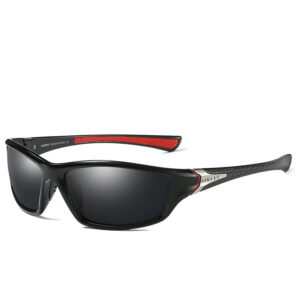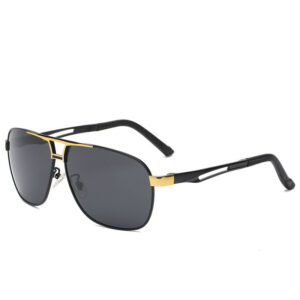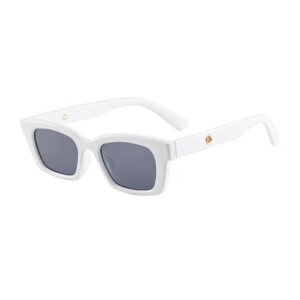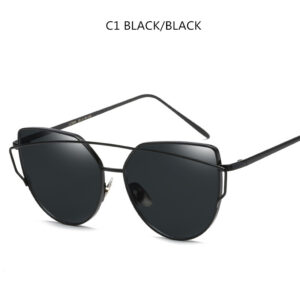
A pair of sunglasses can be the difference between a child squinting through a sunny soccer game and actually keeping their eyes on the ball. The best kids UV sunglasses do more than add a cool finishing touch to a beach outfit. They help protect young eyes from harsh ultraviolet exposure, reduce uncomfortable brightness, and make outdoor time feel easier from the playground to the family road trip.
For parents, the goal is simple: find sunglasses that offer real protection, fit securely, and look fun enough that kids want to put them on without a debate. Here is what makes a pair worth wearing all season long.
Why kids need UV protection, not just dark lenses
Children spend plenty of time outdoors, often during the brightest part of the day. Their eyes are still developing, and their larger pupils can allow more light to reach the inside of the eye than an adult’s. That makes quality UV protection a smart everyday habit, not a beach-day extra.
The key detail is lens protection, not lens darkness. A very dark lens without proper UV filtering may make a child’s eyes feel less bright, but it does not automatically mean it is blocking harmful UV rays. In fact, dark lenses can cause pupils to open wider, which is one reason reliable UV protection matters so much.
Look for sunglasses labeled as providing 100% UV protection or UV400 protection. UV400 lenses are designed to block UVA and UVB rays up to 400 nanometers. In plain terms, that means they cover the ultraviolet range your child needs protection from during everyday outdoor activities.
Sunglasses are helpful for more than sunny summer afternoons, too. UV exposure can happen on bright, overcast days, while biking to school, at the park, and during winter play when sunlight reflects off snow. Making shades part of the grab-and-go routine helps create a habit that lasts.
How to choose kids UV sunglasses that they will wear
A technically great pair will not help much if it stays at the bottom of a backpack. Fit, comfort, and personality matter just as much as the lens label. The sweet spot is a pair that feels light on the face and matches the way your child moves through the day.
Start with a comfortable, secure fit
Sunglasses should rest comfortably on the nose without pinching or sliding down every few minutes. The arms should sit smoothly over the ears, and the frame should feel snug enough for running and climbing without leaving pressure marks.
For toddlers and especially active children, flexible frames can be a practical choice. They tend to handle the occasional bend, drop, or backpack squeeze better than rigid styles. Some kids also benefit from a soft retaining strap for playground time, bike rides, or trips near the water.
Fit is personal. A frame that works beautifully for one child may feel too wide or too tight for another, so consider the overall width of the face instead of shopping by age alone. When in doubt, choose a frame with a comfortable bridge and lightweight construction over one that looks oversized but constantly slips.
Choose lens coverage that matches the activity
Larger lenses and wraparound-inspired shapes can provide more coverage around the eyes, which is especially useful for bike rides, sports, and long days outdoors. A classic rectangular or round frame may be perfect for casual wear, while a more curved sport style can be better for a child who is always in motion.
There is a trade-off: bigger frames can offer excellent coverage, but they should not be so large that they touch the cheeks or block a child’s peripheral vision. The best fit gives them a clear view of the world while keeping bright sunlight out of their direct line of sight.
Pick a style they feel excited about
This is where kids get to have fun. Bright colors, translucent frames, playful patterns, mini aviators, and sporty shapes can turn eye protection into part of their personal style. Letting your child choose between a few parent-approved options can make a big difference in whether they actually wear their sunglasses.
A child who loves a bold blue frame or a candy-pink pair is more likely to remember it before heading outside. Style is not separate from function here. It is often the reason a useful pair becomes an everyday pair.
Polarized lenses: when they are worth it
Polarized kids sunglasses are designed to reduce glare, the intense reflected light that bounces off water, pavement, car hoods, sand, and snow. For family beach days, fishing trips, poolside afternoons, and long drives, polarization can make vision feel noticeably more comfortable.
It can also help children see more clearly around reflective surfaces. Less glare often means less squinting, which is a welcome benefit when they are trying to spot a ball, enjoy a view, or simply relax in the passenger seat.
Still, polarization is an upgrade, not a replacement for UV protection. A non-polarized lens with 100% UV protection is still a protective choice for daily play. The decision depends on how and where the sunglasses will be used. If your child spends lots of time around water or plays outdoor sports, polarized lenses may be well worth considering. For school recess and neighborhood adventures, a comfortable UV400 pair can be exactly right.
Durability matters, but lightweight matters too
Kids are tough on accessories. Sunglasses get tossed into bags, dropped on patios, stepped on near the front door, and occasionally used as a toy by a younger sibling. Durable materials and sturdy hinges are helpful, but the heaviest frame is not always the best one.
Lightweight sunglasses are easier for kids to wear for hours without fussing. Look for frames that feel substantial enough for daily use yet comfortable enough that your child forgets they have them on. Flexible materials can be especially forgiving, but every child has different comfort preferences.
It is also realistic to think of kids sunglasses as a frequently used essential rather than a precious item that must stay perfect. Affordable options make it easier to keep a backup pair in the car, beach bag, or travel bag. One pair may become the favorite, while another saves the day when it is left at a friend’s house.
Teach simple sunglasses habits early
Children learn routines quickly when the steps are easy. Keep sunglasses near shoes, sunscreen, hats, or the door so they become part of getting ready to go outside. A simple reminder such as “hat, shades, sunscreen” can help younger kids remember the basics.
Show them how to use both hands to take sunglasses on and off, rather than pulling on one arm. When they are not wearing them, encourage them to place the lenses facing up in a case or pouch. These small habits can reduce scratches and help a favorite pair last longer.
Cleaning matters, too. A microfiber cloth is the easiest choice for removing fingerprints and dust. If the lenses are sandy or dirty, rinse them gently before wiping. Rubbing grit directly across a lens can create scratches, even on a durable pair.
When should children wear sunglasses?
Any time your child is outside in bright conditions, sunglasses are a good idea. That includes summer camp, playground time, walks, bike rides, sporting events, vacations, and afternoons at the pool. Sunglasses can also be useful on cloudy days because UV rays are not limited to clear blue skies.
For infants and very young toddlers, shade from a stroller canopy or broad-brim hat is often the first line of defense. Once a child can comfortably tolerate sunglasses, a secure, lightweight pair can add useful eye coverage. As always, a good fit is more helpful than forcing a style that they immediately pull off.
Make sun protection part of their look
The right sunglasses let kids see clearly, play comfortably, and show off a little personality at the same time. Choose true UV protection first, then find a comfortable frame and a color or shape they cannot wait to wear. When shades feel good and look great, protecting their eyes becomes one of the easiest parts of a sunny-day routine.