A great pair of sunglasses does more than finish an outfit. It can make a bright drive less tiring, a beach day more comfortable, and your everyday look instantly sharper. Knowing how to choose sunglasses means finding the sweet spot between real eye protection, a comfortable fit, and a frame you will actually want to wear.
The best pair is rarely just the trendiest one or the darkest lens on the page. Think about where you will wear it most, how it sits on your face, and whether the lenses deliver the protection your eyes need. Here is how to shop with confidence and shade your world in style.
Start With UV Protection, Not Lens Color
Dark lenses can feel protective, but darkness alone does not tell you whether sunglasses block harmful rays. Look for lenses labeled UV400 or 100% UVA and UVB protection. That coverage helps protect your eyes from the sun’s ultraviolet rays during daily errands, vacations, sports, and long afternoons outside.
This matters in every season, not only on cloudless summer days. UV rays can still reach your eyes through clouds, and reflective surfaces such as water, snow, sand, and pavement can increase exposure. A lighter fashion lens can still offer excellent protection when it has proper UV blocking, while a very dark lens without it may leave your eyes less protected than you expect.
For children, UV protection is especially worth prioritizing. Kids spend plenty of time outdoors, and a colorful, comfortable pair they enjoy wearing is more useful than a pair that stays in a drawer.
Decide Whether You Need Polarized Sunglasses
Polarized lenses are one of the easiest upgrades to notice in real life. They filter much of the harsh glare bouncing off flat surfaces, helping scenes look clearer and more relaxed for your eyes. For driving, fishing, boating, beach trips, cycling, and outdoor sports, polarized sunglasses are often a smart choice.
Picture the glare coming off a wet road at noon or sparkling water near the shore. Polarization can reduce that distracting reflected light, making it easier to see what is ahead. It is about visual comfort as much as style.
There are a few trade-offs. Some drivers and athletes may find that polarized lenses make certain digital screens, dashboard displays, or LCD instruments appear darker at certain angles. If you rely on a display for navigation or performance data, test the lens type when possible and choose based on your routine. UV protection should always be present, whether your lenses are polarized or not.
How to Choose Sunglasses for Your Face Shape
Face-shape advice is a helpful starting point, not a rulebook. The frame that makes you feel confident wins. Still, contrast can help you narrow a large online selection and find shapes that balance your features.
Round faces
Angular frames often create a crisp, defined look on softer, rounded features. Try square, rectangular, browline, or structured cat-eye sunglasses. Medium-width frames usually feel balanced, while overly small lenses can make the face appear wider.
Square faces
Round, oval, and aviator sunglasses can soften a strong jawline and broad forehead. Curved lens shapes add an easy, relaxed contrast. If you love bold frames, choose a rounded oversized style rather than a sharp, boxy silhouette.
Oval faces
Oval faces can wear a wide range of styles, from classic aviators to chunky square frames and slim retro designs. The main goal is proportion. Pick a frame that is roughly as wide as, or slightly wider than, the broadest part of your face.
Heart-shaped faces
Frames that are wider at the bottom can balance a broader forehead and narrower chin. Rounded sunglasses, aviators, and subtle cat-eye shapes are dependable options. Lighter colors or thin metal frames can also keep the look from feeling too top-heavy.
Longer or rectangular faces
Oversized frames, taller lenses, and wraparound styles can add welcome width and visual balance. Look for sunglasses with a deeper lens height instead of very narrow rectangles, especially if you want a more relaxed, fashion-forward look.
If you are between categories, do not overthink it. Your haircut, brow shape, personal style, and preferred level of statement all change how a frame looks. Use face shape to guide your first picks, then trust the mirror.
Get the Fit Right Before You Fall for the Style
A pair can look fantastic in a product photo and still be wrong for all-day wear. Fit affects comfort, coverage, and how often you reach for your sunglasses. The top of the frame should generally follow your brow line without covering it completely, while the lenses should sit close enough to protect your eyes without touching your cheeks.
Pay attention to frame width. If the temples flare far outward at the sides, the frame is probably too narrow. If the frame extends dramatically beyond your face, it may be too wide unless you are intentionally choosing an oversized look. A little extra width can feel chic; a lot can slide around and feel awkward.
The bridge matters too. Sunglasses should rest securely on your nose without pinching, leaving deep marks, or constantly slipping forward. Adjustable nose pads can be useful for a more customized fit, while molded plastic bridges offer a clean, easygoing feel for many wearers.
Temple length is another detail shoppers often miss. The arms should reach your ears comfortably without pressing hard at the sides of your head. For active days, look for lightweight frames, secure temples, and a close fit that stays put when you move.
Match Lens Color to Your Everyday Plans
Lens color changes how the world looks, so choose it with your favorite activities in mind. Gray lenses provide a natural-looking view and work well for everyday wear, travel, and bright sun. Brown or amber lenses can enhance contrast, making them popular for driving, cycling, and changing light conditions.
Green lenses offer balanced contrast and color perception, while mirrored lenses can add a sportier finish and reduce some surface brightness. Yellow or light amber lenses are often chosen for low-light use and overcast conditions, but they are not a replacement for clear nighttime vision or appropriate driving eyewear after dark.
For one do-it-all pair, gray or brown polarized lenses are hard to beat. For a fashion pair, choose the tint that supports your look, then check that the lens still includes reliable UV protection.
Choose a Frame Material That Fits Your Lifestyle
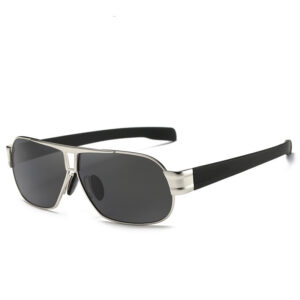
Plastic frames are often colorful, expressive, and comfortable for casual wear. They are a natural pick for bold square sunglasses, retro looks, and playful seasonal colors. Metal frames tend to deliver a lighter, more refined profile, especially in aviator and minimalist styles.
For sports and active use, flexible, lightweight materials are usually the better call. A wraparound frame can provide added side coverage and stay more secure during cycling, running, or time on the water. For travel or daily commuting, you may prefer a versatile frame that works with jeans, workwear, and weekend outfits instead of owning a separate pair for every occasion.
It depends on how you live. One statement pair may be perfect for city weekends, while a second polarized sport pair makes more sense for driving and outdoor activity. Affordable sunglasses make it easier to build that small, useful rotation.
Do Not Let Price Be Your Only Filter
A higher price does not automatically mean better UV protection, better fit, or better style. Focus first on clear lens information, comfortable construction, and a shape that suits your needs. Then decide what you want to spend.
Shopping online is easier when you compare frame measurements, lens features, and product photos from several angles. Read the width and temple details if available, and use sunglasses you already own as a reference point. If your current pair fits well, measuring it can help you avoid a guessing game.
You also do not need to choose between looking current and protecting your eyes. Brands such as Kooleyes make it possible to explore polarized driving styles, colorful fashion frames, classic aviators, and kids’ sunglasses without treating eyewear like a luxury-only purchase.
Your sunglasses should make stepping outside feel better. Choose a pair with real UV protection, a fit that stays comfortable from morning to sunset, and a style that feels like you. When you look sharp and see clearly, you will have every reason to wear them often.