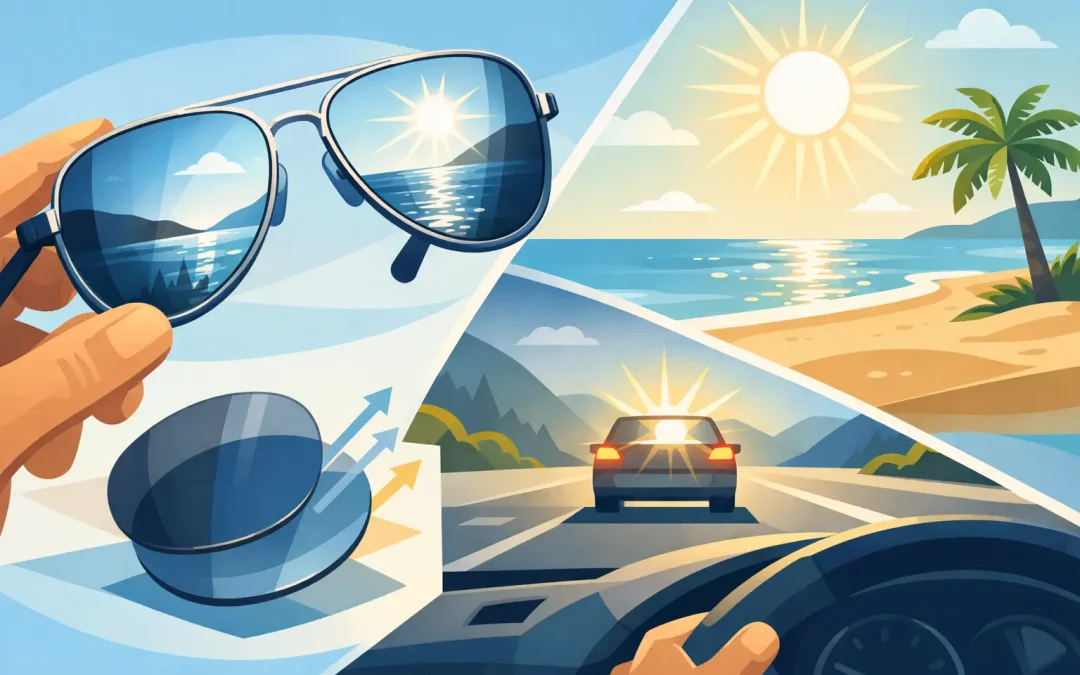
A bright road, open water, or white-sand beach can make even a great outfit feel uncomfortable if you are squinting nonstop. So, do mirror sunglasses reduce glare? They can help cut the amount of visible light reaching your eyes, but the full answer depends on what kind of glare you mean – and whether the lenses are polarized.
Mirrored sunglasses are a smart choice for bold style and bright-day comfort. But if your priority is clearer driving, fishing, cycling, or beach vision, look beyond the reflective finish and check for polarized lenses and reliable UV protection too.
Do Mirror Sunglasses Reduce Glare From Bright Light?
Mirror sunglasses have a thin reflective coating on the outside of the lens. That coating bounces some light away before it enters the lens, which can make the view feel more comfortable in intense sunshine. It also creates the high-shine, color-changing look that makes mirrored shades stand out on city streets, at festivals, and on the water.
In simple terms, a mirror coating can reduce overall brightness. This is useful when sunlight is strong and direct, such as on a clear summer afternoon or at high altitude. A silver, blue, green, gold, or rainbow mirror finish can all give sunglasses a fashion-forward edge while helping your eyes feel less exposed to harsh light.
Still, a mirrored coating is not the same thing as polarization. It does not automatically block the sharp reflected glare that bounces off flat surfaces like pavement, car hoods, snow, or water. For that, polarized lenses are the feature to look for.
Why Reflected Glare Feels So Harsh
Glare is more than ordinary brightness. It is concentrated reflected light, often coming at your eyes from a horizontal surface. Think about the flash of sunlight off a wet road after rain, the shimmering strip across a lake, or the blinding reflection off a windshield. That light can wash out details, make your eyes work harder, and leave you squinting even when your sunglasses are dark.
Polarized lenses use a special filter to block much of this horizontally reflected light. The result can be sharper, more relaxed vision in the situations where glare is most distracting. Road markings may be easier to see while driving, water can look less blinding, and your eyes may feel more comfortable during long outdoor days.
That is why lens darkness alone is not a dependable measure of glare protection. A very dark lens may make a sunny day look dimmer, yet still allow reflected glare to reach your eyes. A lighter polarized lens can sometimes provide better comfort for driving or water activities because it targets the kind of light causing the problem.
Mirror coating, polarization, and UV protection do different jobs
These three terms are often grouped together, but each serves a different purpose. A mirror coating reflects part of the visible light away and gives the lens its distinctive exterior look. Polarization is designed to reduce reflected glare. UV protection helps shield your eyes from harmful ultraviolet rays, which you cannot see or judge by lens color.
The best all-around option for many outdoor plans is a pair that combines all three: mirrored lenses for bright-light comfort and standout style, polarization for reflected glare, and UV protection for everyday eye safety. This combination works especially well for beach trips, road trips, outdoor workouts, and sunny commutes.
When Mirrored Sunglasses Make the Biggest Difference
Mirrored lenses shine in very bright conditions. If you spend time in direct sun, a mirror finish can provide an extra sense of visual comfort while giving your sunglasses a sporty or fashion-focused finish. They are popular for cycling, hiking, skiing, running, and vacation days because they look sharp under strong sunlight.
For driving, the answer depends on the lens underneath the mirror. Mirrored polarized sunglasses can be an excellent pick for daytime driving because they address both bright overhead light and the glare that kicks up from roads and vehicles. Choose a lens tint that feels natural for your usual conditions. Gray lenses are a versatile choice for true-to-life color perception, while brown or amber lenses can make contrast feel more defined in changing light.
Around water, mirror sunglasses look right at home, but polarization matters most. The mirror coating can reduce general brightness, while polarized lenses help calm the intense sparkle bouncing off the surface. That makes the combination a strong fit for boating, fishing, pool days, and beach travel.
For snow sports, mirrored lenses are also common because snow reflects a huge amount of sunlight. A quality lens with UV protection is essential here, and polarization may add comfort in many conditions. Keep in mind that very dark lenses can be less practical in flat light or changing clouds, where seeing terrain detail matters more than cutting maximum brightness.
How to Choose Mirrored Sunglasses That Work for You
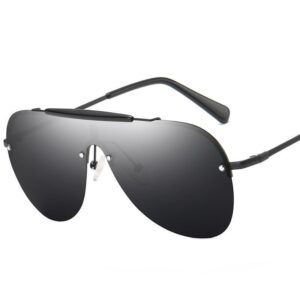
Start with where you will wear them most. If you want one everyday pair for commuting, travel, lunch outdoors, and weekend errands, polarized mirrored sunglasses with UV protection offer a balanced mix of performance and style. A classic aviator gives you an easy, timeless look, while square and rectangular frames bring a cleaner, more modern edge.
For sports and active days, look for a secure, lightweight frame that stays put when you move. Wraparound or shield-inspired styles can provide more coverage at the sides, which is useful for cycling, running, and windy beach days. A mirrored lens in blue, green, or red can add athletic energy without making your outfit feel overdone.
If you are shopping mainly for fashion, the lens finish can become part of the look. Silver mirrors feel sleek and versatile. Gold or rose-gold mirrors bring warmth and a little extra polish. Bright rainbow mirrors make a confident statement for festivals, vacations, and poolside photos. Just make sure the pair still offers UV protection, because style should never mean skipping eye comfort.
Frame fit matters as much as lens technology. Sunglasses that slide down your nose, pinch at the temples, or leave too much light entering around the edges can be distracting. Choose a shape that feels secure and gives you coverage without overwhelming your face. The right pair should help you look sharp and see clearly from the first wear.
A Few Trade-Offs to Know Before You Buy
A mirror coating can show fingerprints, sunscreen smudges, and salt spray more easily than a standard lens. Keeping a microfiber cloth in your bag makes a noticeable difference. Rinse away grit with clean water first when possible, then gently wipe the lenses to avoid scratching the coating.
Mirrored lenses may also be less ideal for low-light conditions. Their purpose is to help manage strong visible light, so they are not a replacement for dedicated night-driving eyewear. For dusk, rain, or indoor use, choose a lens designed for lower-light visibility instead of relying on a dark mirror finish.
Finally, do not assume every mirrored pair is polarized. Product details should clearly state whether polarization is included. If you regularly drive, spend time near water, or play outdoor sports, that one detail can make a major difference in how comfortable your eyes feel.
A mirror finish gives your sunglasses instant personality, but the right lens features give you confidence under the sun. Choose a pair that matches your style, fits your plans, and keeps bright days looking comfortably clear.