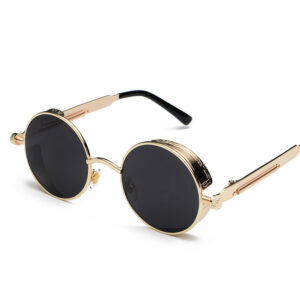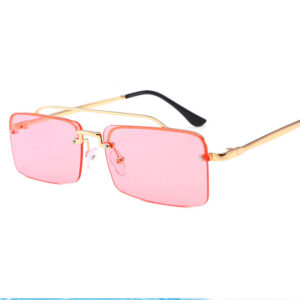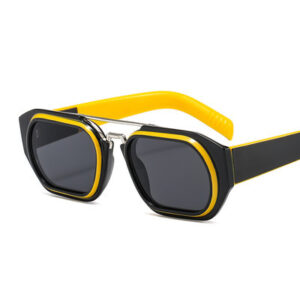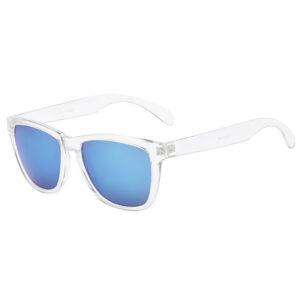
Step outside from a dim coffee shop into bright afternoon sun, and your eyes need a moment to catch up. Color changing sunglasses lenses are designed to make that transition easier, shifting darker when UV exposure rises and lighter again when you head indoors or into lower light. For commuters, travelers, active days, and anyone tired of switching between regular glasses and shades, they can be a smart style-and-comfort upgrade.
They are not a magic solution for every sunny situation, though. The best choice depends on where you wear your eyewear, how sensitive your eyes are to glare, and whether you need features such as polarization, a mirrored finish, or a bold fashion frame. Here is what to know before choosing a pair.
What Are Color Changing Sunglasses Lenses?
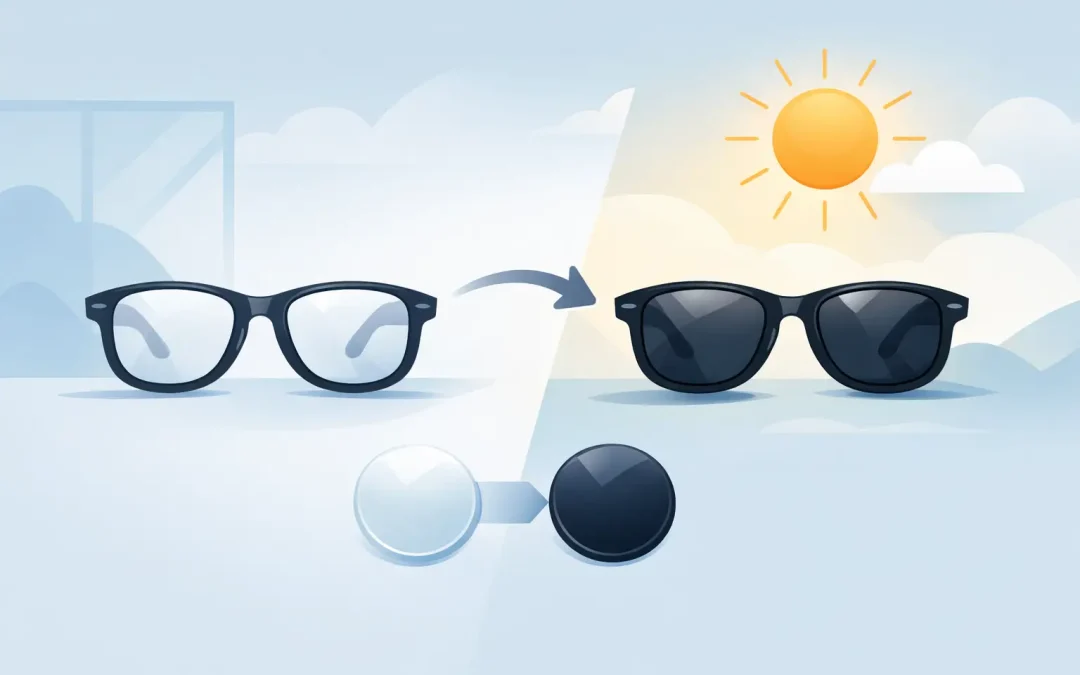
Color changing lenses are commonly called photochromic lenses. They contain light-sensitive molecules that react to ultraviolet light. When UV levels increase outdoors, the molecules change shape and the lenses become darker. When UV exposure drops, they gradually return to a lighter state.
That means one pair can feel more flexible than carrying separate clear eyeglasses and sunglasses. On a cloudy walk, the tint may stay relatively light. At the beach, during a hike, or on a bright sidewalk, it can deepen to provide more comfortable vision.
The change is automatic, but it is not instant. Most lenses take a few minutes to darken and may take longer to become fully clear again. Temperature also affects performance. Photochromic lenses often darken more strongly in cool weather and can react more slowly in very hot conditions.
How Color Changing Sunglasses Lenses Work in Real Life
The biggest advantage is convenience. If your day moves between indoor spaces, shaded streets, and sunlight, lenses that adapt can reduce the constant on-and-off routine. They are especially useful for walking the dog, school drop-offs, sightseeing, outdoor errands, and patio lunches where light conditions keep changing.
They can also be a strong option for people who prefer a clean, lighter look indoors but want reliable coverage once they get outside. Pair adaptive lenses with a sharp square frame, a timeless aviator, or a colorful oversized style, and you do not have to sacrifice your personal look for practical eye comfort.
Still, expectations matter. Photochromic lenses react to UV light, not simply brightness. Many car windshields block a large amount of UV radiation, so the lenses may not darken as much while driving as they do outdoors. If driving comfort is your top priority, dedicated polarized driving sunglasses may give you a darker, more consistent view behind the wheel.
They Are Different From Polarized Lenses
Color changing and polarized are two separate lens features. A photochromic lens adapts its tint based on UV exposure. A polarized lens filters reflected glare, such as light bouncing off wet roads, car hoods, water, snow, and pavement.
For driving, fishing, beach days, or cycling, polarization can make a noticeable difference in visual comfort because it helps cut harsh reflected glare. Adaptive lenses are convenient when lighting shifts. Some lens options combine both technologies, but never assume a color-changing lens is automatically polarized. Check the product details before you buy.
UV Protection Still Comes First
A dark lens does not automatically mean strong UV protection. The color of the lens and the amount of UV protection are different things. Look for sunglasses that state UV400 or 100% UVA and UVB protection, whether you choose black, brown, gray, mirrored, polarized, or color-changing lenses.
This matters because dark lenses without proper UV protection can be misleading. Your pupils may open wider in darker conditions, potentially allowing more UV exposure if the lens is not built to block it. Great sunglasses should help you look sharp and protect your eyes at the same time.
When Adaptive Lenses Make the Most Sense
Color changing lenses shine when you spend time moving through mixed light and want fewer eyewear swaps. They are a natural fit for everyday outdoor routines, travel days, casual cycling, neighborhood walks, and outdoor events that stretch from afternoon into evening.
They are also useful for parents who want one easygoing pair for kids who play outside but come in and out of classrooms, cars, and covered spaces. A comfortable, secure frame and dependable UV protection are just as important as the changing tint for younger wearers.
For some situations, a dedicated sunglass lens still wins. A dark polarized pair is often better for long highway drives, boating, snow sports, and hours of intense direct sun. If you want a specific high-fashion lens color that stays consistent in every setting, traditional sunglasses offer more predictable style from morning to night.
Choosing the Right Frame and Lens Color
The frame is what people notice first, so choose one that works with your routine as well as your face shape. A lightweight wraparound or sport frame feels secure for cycling and active weekends. Aviators bring easy confidence to travel and casual outfits. Square and rectangular sunglasses create a clean, modern edge, while round or oversized frames can deliver a softer retro statement.
Lens base color changes how the world looks through the glasses. Gray lenses keep colors more neutral and suit bright, everyday conditions. Brown or amber tones can boost contrast, which many people enjoy for driving, hiking, and changing terrain. Green lenses offer balanced contrast with a natural feel.
If you are choosing a photochromic style online, pay attention to the listed starting tint and darkened tint. Some lenses begin nearly clear, while others keep a light tint even indoors. A subtle starting tint can look stylish and provide a softer visual feel, but it may not be ideal if you need lenses that appear completely clear for work or formal indoor settings.
A Quick Buying Checklist
Before adding a pair to your cart, think beyond whether the frame looks good in the product photo. The best pair matches the way you actually spend your day. Check for these details:
- UV400 or 100% UVA and UVB protection
- Polarization if road, water, or pavement glare bothers you
- A frame shape that feels comfortable at your temples and nose
- Lens darkness that suits your main outdoor activity
- A secure fit for sports, cycling, or children’s everyday wear
- Clear product information about whether the lenses change color, block glare, or do both
At Kooleyes, the goal is simple: find sunglasses that bring together eye protection, visual comfort, and a look you want to wear again tomorrow. Affordable eyewear should still feel like a finishing touch, not an afterthought.
How to Care for Color Changing Lenses
Treat adaptive lenses like any quality sunglasses. Rinse off dust or salt before wiping them, then use a clean microfiber cloth and lens-safe cleaner. Dry wiping a dirty lens can create fine scratches over time, especially after beach trips, road rides, or dusty outdoor days.
Avoid leaving your sunglasses on a hot dashboard or in direct heat for long periods. Extreme heat is not ideal for lenses, coatings, or frames, and a protective case is always the safer choice when your shades are not on your face.
Color changing sunglasses lenses are at their best when they fit your rhythm: bright sidewalks, shaded patios, weekend plans, and all the small moments in between. Choose the protection and lens features your eyes need, then pick the frame that makes you feel ready to step out in style.