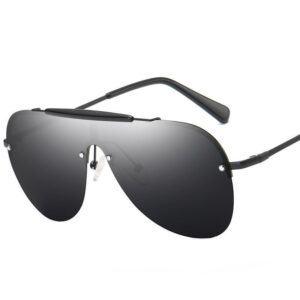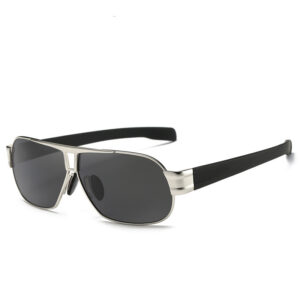

A bright day should not leave your eyes feeling dry, squinty, or worn out by lunchtime. The right sunglasses for contact lens wearers can cut harsh glare, shield your eyes from UV exposure, and make outdoor time feel far more comfortable – without asking you to compromise on your style.
Whether you wear daily lenses for your commute, monthly lenses at the beach, or contacts for cycling and weekend errands, sunglasses are more than a finishing touch. They are a practical layer between your eyes and the sun, wind, dust, and reflected light that can make contacts feel less comfortable.
Do Contact Lens Wearers Need Special Sunglasses?
Usually, no. You do not need a special type of sunglasses just because you wear contact lenses. Most standard sunglasses work perfectly over contacts, which gives you much more freedom to choose the frame shape, lens color, and look you love.
What matters is choosing sunglasses with dependable UV protection, a fit that stays comfortable for hours, and lenses suited to where you will wear them. A polarized pair can be a smart upgrade for driving, water, snow, and other high-glare settings. A lightweight frame may be the better choice for long walks, travel days, or sports.
Some contact lenses include UV-blocking properties, but they do not cover your whole eye area or the delicate skin around your eyes. Sunglasses with UV protection still play an essential role, especially when the sun is strong or light is bouncing up from pavement, sand, or water.
What to Look for in Sunglasses for Contact Lens Wearers
Start with full UV protection
Look for sunglasses labeled UV400 or 100% UVA and UVB protection. This is the feature that helps block damaging ultraviolet rays. Darker lenses alone do not guarantee better protection. A very dark lens without proper UV filtering can leave your pupils more open while still allowing UV exposure through, which is not the look or the protection you want.
Choose UV protection first, then have fun with lens colors and frame styles. Black square sunglasses, retro aviators, transparent color frames, and sporty wraparound shapes can all offer a sharp finish when the lenses provide the right protection.
Consider polarized lenses for glare
Polarized sunglasses reduce reflected glare from flat surfaces such as roads, car hoods, water, wet pavement, and sand. For contact lens wearers, less glare often means less squinting and a more relaxed, comfortable view outdoors.
They are an especially strong choice for driving, fishing, beach trips, boating, and daytime sports. If you spend a lot of time behind the wheel, polarized driving sunglasses can make lane markings, road texture, and surrounding traffic easier to see in bright conditions.
There is one trade-off: polarized lenses can make some LCD screens, dashboard displays, and phones look darker or change appearance when viewed at certain angles. For most people, the comfort outdoors is worth it, but it is useful to know before choosing your pair.
Pick a frame that keeps wind and debris in check
Contacts can feel dry when wind, dust, pollen, or tiny particles hit your eyes. A frame with good coverage can help. Larger lenses and slightly curved frames create more protection around the eye area than small, narrow styles.
For cycling, running, beach days, or open-water activities, a sports frame or wraparound style is a practical choice. It can reduce wind exposure while staying secure when you move. For everyday city wear, oversized square frames or aviators offer generous coverage with a more relaxed fashion feel.
You do not have to choose the most wrapped frame for every occasion. If you mainly wear sunglasses for brunch, errands, and commuting, a classic rectangular or cat-eye shape may give you the coverage you need with a lighter, more style-forward profile.
Choose lightweight comfort for long wear
A frame that pinches at the temples or slides down your nose can become annoying quickly, particularly if your eyes are already feeling dry. Lightweight materials, smooth nose pads, and a balanced fit make a noticeable difference on long days.
Try to match the frame to your face width. Frames that are too tight can create pressure points, while oversized frames that are too wide may slide and let more wind in from the sides. The goal is a secure fit that feels easy enough to forget you are wearing it.
Match Your Sunglasses to Your Day
The best pair depends on where the day takes you. One fashionable all-purpose pair may be enough for casual wear, but active routines often call for a second style with more coverage and grip.
For driving, prioritize polarized lenses, a comfortable fit, and a frame that does not block too much of your side vision. Classic aviators, rectangular frames, and lightweight square sunglasses are popular choices because they look polished without feeling bulky.
For beach days and vacations, go bigger. Oversized sunglasses and wide-lens frames help protect against sunlight reflecting off sand and water. Polarized lenses are particularly helpful here, and a fun frame color can make an easy statement in every vacation photo.
For cycling, running, hiking, or outdoor sports, choose a close-fitting sport frame with broad coverage. A wraparound design helps limit wind and debris, while polarized lenses can cut distracting glare on roads and trails. Look for a pair that stays put when you sweat and move.
For everyday style, the choice is wide open. Black frames stay classic, tortoiseshell brings a warm retro edge, and colorful sunglasses can turn a simple outfit into something more memorable. When you wear contacts, you can enjoy non-prescription fashion sunglasses without waiting for custom lenses, so switching up your look is easy.
Lens Tint Matters, but Not in the Way You Think
Lens color changes how the world looks, but UV protection comes from the lens treatment, not the tint itself. That means gray, brown, green, and mirrored lenses can all be good options when they provide full UV protection.
Gray lenses offer a more natural-looking view and work well for bright everyday conditions. Brown or amber lenses can boost contrast, which some people enjoy for driving and outdoor activity. Green lenses offer balanced color perception, while mirrored finishes add a bold look and can reduce the amount of visible light reaching your eyes.
If your contacts tend to feel dry in direct sun, the difference may come more from reducing glare and wind than from picking one tint over another. Start with UV protection and frame coverage, then choose the tint that feels and looks right to you.
Keep Contact Comfort in Mind Outdoors
Sunglasses help, but a few simple habits can make outdoor contact wear more comfortable. Use rewetting drops recommended for your contact lenses if dryness is a regular issue. Keep a lens case and backup glasses handy for long travel days or activities where dust, saltwater, or smoke may bother your eyes.
Avoid rubbing your eyes with sandy or sweaty hands. If something gets under a contact lens, wash and dry your hands before handling it. On especially windy days, choose larger or more curved sunglasses rather than relying on small fashion frames alone.
If dryness, redness, pain, light sensitivity, or blurred vision keeps happening even with sunglasses, take your contacts out when possible and speak with your eye care professional. Sunglasses can improve comfort, but they should not be used to ignore ongoing eye irritation.
Style and Protection Can Share the Same Frame
The right sunglasses should make stepping outside feel better immediately: less glare, less squinting, and more confidence in your look. At Kooleyes, that can mean a sleek polarized pair for the driver’s seat, colorful oversized frames for the beach, or a sport-ready style that keeps up with your weekend plans.
Choose the pair that fits your routine, protects your eyes, and makes you want to catch the next sunny day in style.