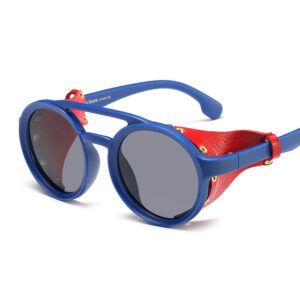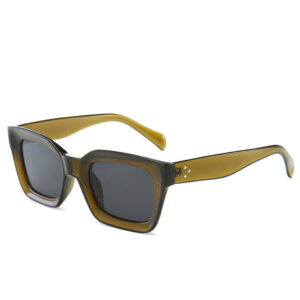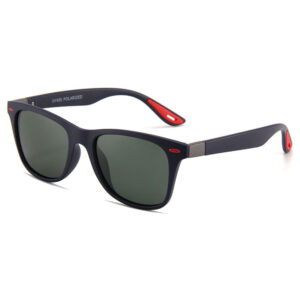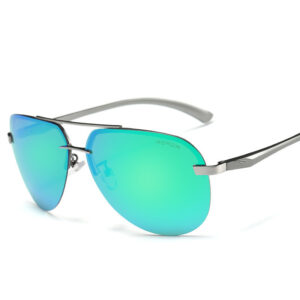
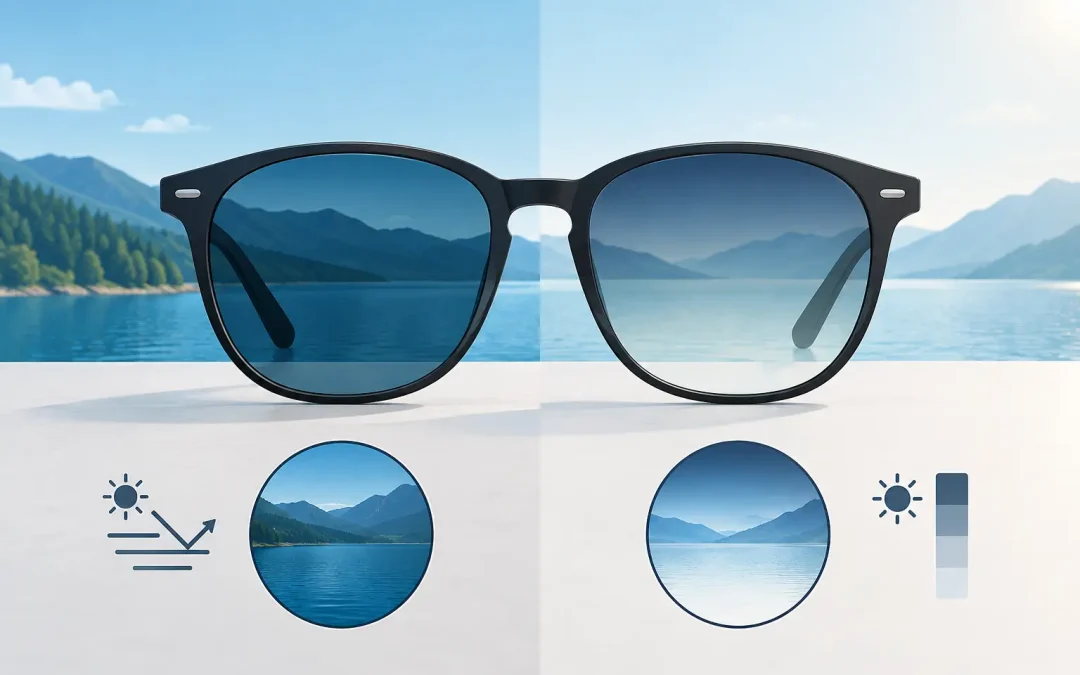
The reflection off a wet highway can make you squint even on a bright, beautiful day. At a sidewalk cafe, meanwhile, you may want a lens that looks sharp without making your phone, menu, or eyes disappear behind an overly dark tint. That is where polarized versus gradient lenses becomes a smart sunglasses question, not just a style choice.
Both lens types can make outdoor time more comfortable, but they solve different problems. Polarized lenses are built to cut harsh reflected glare. Gradient lenses shift from darker at the top to lighter at the bottom for a look that is polished and practical. Knowing the difference helps you choose shades that work as hard as they look good.
Polarized Versus Gradient Lenses: The Key Difference
A polarized lens contains a special filter that blocks much of the intense horizontal glare bouncing off flat surfaces. Think water, snow, car hoods, windshields, pavement, and sand. This reflected light is often the kind that makes colors look washed out and causes that tired, strained feeling after a long drive or afternoon outside.
A gradient lens is tinted darker in one area and lighter in another. The most common version is dark across the top and lighter near the bottom. It reduces overhead sunlight while leaving a brighter view below your eye line. Gradient is about how the tint is distributed, while polarization is about how the lens manages glare.
Here is the detail many shoppers miss: these are not competing technologies in every case. A lens can be polarized, gradient, and UV-protective at the same time. If you love the style of a fading tint but regularly drive or spend time around water, a polarized gradient lens can offer a very strong all-around combination.
What Polarized Lenses Do Best
Polarized sunglasses are made for high-glare moments. When sunlight reflects off a road after rain, a lake at noon, or the hood of your car, the glare can be distracting and uncomfortable. Polarization helps calm that visual noise, making your view feel clearer and more relaxed.
They are an especially smart pick for driving, beach days, fishing, boating, cycling, hiking, and outdoor sports. Drivers often appreciate being able to see the road with less glare, while athletes may notice better contrast on pavement, trails, and open terrain. At the beach, polarized lenses can help you look toward the water without constantly fighting a blinding reflection.
The effect is about visual comfort, not simply a darker view. A very dark non-polarized lens may reduce brightness, yet still leave reflected glare in place. Polarization targets that glare directly.
There are a few trade-offs. Polarized lenses can make some LCD screens, including certain car displays, phones, and instrument panels, look darker or show rainbow-like patterns when viewed at an angle. For most people, this is a small compromise for the outdoor comfort they provide. But if you rely heavily on a specific dashboard display, try checking it while wearing sunglasses before committing to a pair for daily driving.
When Gradient Lenses Make More Sense
Gradient lenses have an easy, elevated look that works beautifully for city days, travel outfits, brunch plans, and everyday wear. The darker top section helps shield your eyes from direct sunlight, while the lighter lower section can make it easier to glance down at a phone, read a receipt, or see the dashboard.
That makes a classic top-to-bottom gradient especially popular with drivers and anyone who moves between sunshine and shade. Picture leaving a parking lot, stepping into a cafe, checking directions, and getting back outside. A lighter lower lens area can feel less intense than a fully dark tint in those stop-and-go moments.
Still, gradient lenses are not automatically polarized. If glare reduction is your first priority, check the product details for polarization rather than choosing based on the fading tint alone. A gradient lens may look amazing by the pool, but without polarization, it will not filter reflected glare in the same way as a polarized lens.
Gradient styles also give you more room to play with fashion. Brown gradients can feel warm and vintage with aviators. Gray gradients create a crisp, versatile finish for square or rectangular frames. Oversized gradient sunglasses bring a glamorous feel to a simple outfit, while lighter fades can soften a bold colorful frame.
UV Protection Is a Separate Must-Have
Do not use lens darkness as your shortcut for eye protection. A dark lens is not necessarily better at blocking ultraviolet rays, and a lighter gradient can still offer strong UV protection when it is properly made for that purpose.
Look for sunglasses labeled with UV400 or 100% UVA/UVB protection. That coverage matters whether you choose polarized lenses, gradient lenses, mirrored lenses, or a classic solid tint. UV protection helps protect your eyes during everyday exposure, from the drive to work to a full day outdoors.
This is particularly important for kids’ sunglasses. Children spend plenty of time outside, and their shades should offer dependable UV coverage first, then fun color and comfortable fit. A bright frame or playful lens tint can make sunglasses easier for kids to want to wear, which is always a win.
Which Lens Should You Choose for Your Routine?
Choose polarized lenses when glare is the problem you notice most. If you often drive in bright conditions, cycle on open roads, spend weekends on the water, or find yourself squinting near reflective surfaces, polarization is likely the feature you will appreciate every time you put your sunglasses on.
Choose gradient lenses when you want a flexible fashion look and prefer a little more visibility through the lower part of the lens. They are a natural fit for casual wear, travel, daytime events, and driving when you want to keep your lower field of view from feeling too dark.
Choose polarized gradient lenses when you do not want to pick only one benefit. This option gives you the glare-cutting advantage of polarization with the distinctive fade and everyday usability of a gradient tint. It is a great match for drivers who want visual comfort without giving up a stylish lens profile.
Frame shape should also influence your final choice. Sport wrap frames pair naturally with polarized lenses for cycling, running, and outdoor activity. Aviators look right at home with brown or gray gradient lenses. Bold square frames can carry either lens type, depending on whether your day calls for high-performance glare control or a fashion-forward finish.
A Quick Fit Check Before You Buy
The right lens is only part of the equation. Sunglasses should sit comfortably on your nose, stay secure when you move, and cover your eyes well enough to block sunlight from sneaking in around the frame. Larger lenses and wraparound designs generally provide more coverage for beach, sports, and high-sun days.
Consider your usual light conditions, too. Gray lenses tend to keep colors looking more natural and are easy to wear in bright sun. Brown and amber lenses can enhance contrast, which many people enjoy for driving and outdoor activity. A gradient version of either color can add a softer, more adaptable feel for daily wear.
If you are building a small sunglasses rotation, one polarized pair and one gradient pair can make more sense than searching for a single style to cover every situation. Keep the polarized pair ready for the road, water, and active weekends. Let the gradient pair handle outfit-driven days when you want to look sharp, see clearly, and move through your plans with ease.
The best sunglasses are the ones you will actually reach for. Pick the lens feature that fits where you spend your time, choose a frame that feels like your style, and make UV protection non-negotiable. At Kooleyes, that means you can shade your world in style without turning an everyday essential into a luxury purchase.