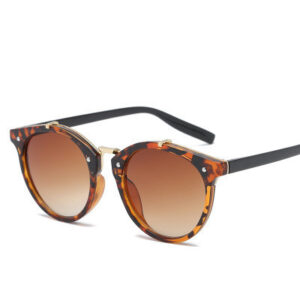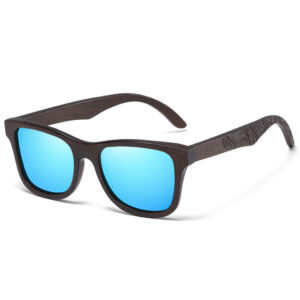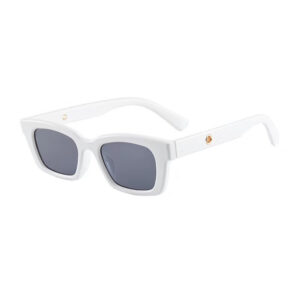

The glare that hits when the sun bounces off open water is not the same glare you get on a sidewalk. It is brighter, more constant, and exhausting when you are trying to spot a channel marker, steer toward shore, or simply enjoy the ride. This guide to sunglasses for boating helps you choose a pair that looks sharp on deck while making long, sunny hours more comfortable for your eyes.
Boating sunglasses should do more than match your swimsuit or fishing shirt. The right pair cuts reflected glare, blocks harmful UV rays, stays put in wind, and gives you a clear view without feeling heavy by noon. Style still matters, of course. A great frame can make a relaxed lake day, a coastal vacation, or a serious fishing trip look even better.
Why boating calls for better sunglasses
Water reflects a surprising amount of sunlight directly toward your eyes. That reflection can create squinting, eye fatigue, and a washed-out view of the surface ahead. On a boat, that affects comfort and can make it harder to notice wakes, docks, floating debris, or other boats.
Sun exposure also adds up fast offshore and near the shore. UV rays reach your eyes from above and reflect back from the water, so a hat alone is not enough. Look for sunglasses labeled with 100% UVA and UVB protection or UV400 protection. These labels refer to the protection built into the lens, not how dark the lens appears. A dark lens without verified UV protection is not a boating essential.
A guide to sunglasses for boating: start with polarized lenses
For most boaters, polarized lenses are the first feature to look for. They filter much of the horizontal reflected glare that flashes across water, which makes the view feel calmer and clearer. The difference is especially noticeable during midday runs, while driving a boat into the sun, or when the water has a bright, rippled surface.
Polarization can also help you see more detail beneath the surface in certain conditions. Anglers may notice shadows, structure, or fish more easily when glare is reduced. It is not magic – water depth, sun angle, cloud cover, and surface chop still matter – but it can give your eyes a much easier job.
Polarized does not automatically mean UV-protected
These features work together, but they are not the same thing. Polarization manages glare. UV protection helps shield your eyes from ultraviolet radiation. For boating, choose lenses that clearly offer both polarized performance and 100% UV protection.
This combination delivers the kind of all-day comfort that makes a real difference. You can spend less time squinting and more time watching the wake, checking the horizon, or relaxing with friends.
Pick lens colors for your usual water conditions
Gray lenses are a classic choice for bright, sunny days because they reduce light while keeping colors fairly true. They suit boaters who want a clean, versatile look for beach days, marina stops, and open-water cruising.
Brown, bronze, copper, and amber lenses can boost contrast, making them popular for fishing, variable skies, and changing water conditions. They often make details stand out a little more than gray lenses, though the color shift is more noticeable.
Mirrored lenses add a sporty, polished finish and can reduce the amount of visible light reaching your eyes. They are a strong style pick for high-glare days, but do not choose a mirror coating alone. Make sure the lens still has the UV protection and polarization you need. Blue, green, silver, and colorful mirrors can all look great – choose the shade that fits your personal style and the rest of your boating gear.
Choose frames that stay comfortable in motion
A pair that looks perfect in the mirror is not automatically a good boat pair. Wind, salt spray, heat, and movement can expose every fit problem quickly. Prioritize a secure fit that feels comfortable behind your ears and across the bridge of your nose.
Wraparound and semi-wrap frames are smart options for active boating. Their curved shape covers more of your peripheral view and can help block sunlight that slips in from the sides. They also tend to feel more stable when you are moving fast or turning into the wind.
Classic square frames, aviators, and rectangular sunglasses can work beautifully for slower cruises, dockside lunches, and casual water days. Just make sure they do not slide down when you look toward the deck. Lightweight frames are usually more comfortable for long wear, while rubberized nose pads or temple tips can add helpful grip when humidity rises.
Frame size matters too. Oversized sunglasses offer more coverage and a bold, vacation-ready look, but they should not interfere with your hat, headset, or peripheral vision. Smaller frames can feel lighter and more understated, though they leave more room for side glare. The best choice depends on how you boat and what feels natural on your face.
Match your boating sunglasses to your plans
One pair can cover plenty of trips, but different outings may call for different priorities. A weekend pontoon cruise has different demands than a fast center-console ride or a full day of fishing.
For cruising and beach stops, go for a versatile polarized pair in a frame shape you genuinely enjoy wearing. Gray lenses, stylish aviators, square frames, and colorful mirrored options all fit this relaxed setting. If you are likely to be photographed, choose sunglasses that work with your favorite summer outfits, not just your boating clothes.
For fishing, contrast-enhancing brown, copper, or amber lenses are often worth considering. A close-fitting frame with wide coverage can help keep side glare down while you scan the surface. For high-speed rides, prioritize a wrap frame, lightweight construction, and a secure fit over a looser fashion shape.
If you share the water with kids, give them proper UV-protective sunglasses too. Children often spend more time looking up at the sky or down at the water, and a colorful, comfortable pair makes it easier for them to keep sunglasses on. A flexible fit and a strap can be especially useful for younger boaters.
Do not overlook a secure fit and backup plan
The easiest way to lose sunglasses is to set them on a seat, the console, or the brim of a hat right before the boat hits a wake. A floating retainer or an adjustable eyewear strap is a simple addition that can save a favorite pair from going overboard. Check that the retainer is designed to float if that is the feature you need – not every strap does.
It is also smart to keep a backup pair in a protective case. Salt water, sand, sunscreen, and rough handling are all part of boating life. An affordable second pair means you are not stuck squinting if your primary sunglasses get scratched, lost, or left at home.
Keep lenses clear through salt, spray, and sunscreen
Salt spray can leave a hazy film on lenses, while sunscreen can smear coatings and attract grit. Rinse sunglasses with fresh water when possible before wiping them. This helps remove particles that could scratch the lens surface.
Use a clean microfiber cloth rather than a shirt hem, towel, or paper napkin. If the lenses need more than a rinse, use a lens-safe cleaner and wipe gently. Store your sunglasses in a case when they are not on your face, especially in a crowded boat bag where keys, tackle, and loose gear can cause damage.
Heat deserves attention as well. Avoid leaving sunglasses on a hot dashboard or inside a sealed vehicle for extended periods. High heat can stress frames and lens coatings, even when the sunglasses are built for active use.
The right boating sunglasses should make the water look better and your time on it feel easier. Choose polarized UV-protective lenses, a frame that stays secure, and a style you are excited to wear. With a pair that fits your boat days and your personal look, you can shade your world in style from the first cast to the last sunset.