The flash on the water can look beautiful right up until it hides a strike, masks a weed line, and leaves your eyes tired before lunch. The right fishing sunglasses do far more than finish an outdoor outfit. They reduce distracting glare, protect your eyes from intense UV exposure, and make it easier to read the water with confidence.
Whether you fish from a boat, wade a quiet creek, cast from a dock, or spend weekends chasing surf species, your sunglasses need to work as hard as you do. The best pair balances lens performance, dependable coverage, all-day comfort, and a frame style you actually want to wear after you leave the water.
Why fishing sunglasses make a real difference
Water reflects a huge amount of light, especially in open conditions around noon. That reflected light creates glare: the bright, silvery surface shine that makes you squint and prevents you from seeing beneath the water. It can also make navigation, knot tying, casting accuracy, and spotting movement more difficult.
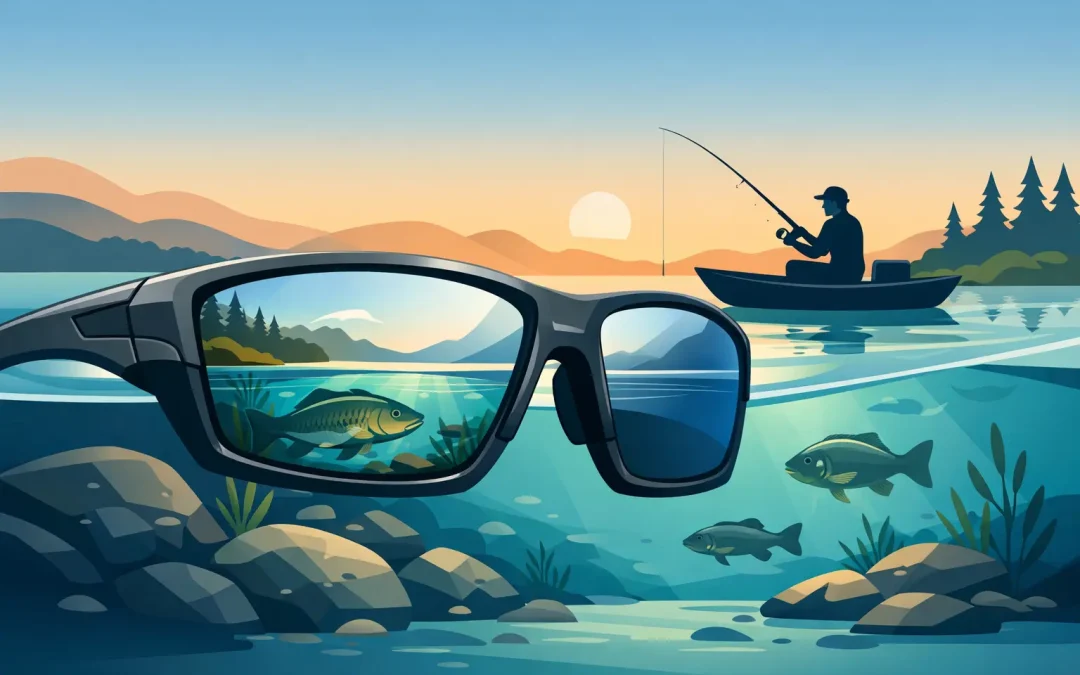
Polarized lenses are the key feature for most anglers. They filter much of the horizontal light that bounces off flat surfaces, including water, wet decks, and boat windshields. Instead of staring into a sheet of glare, you may be able to see changes in bottom texture, submerged rocks, vegetation, baitfish, or the shadow of a cruising fish.
Polarization is not magic. Murky water, heavy cloud cover, choppy waves, and deep water can still limit what you see. But in clear or moderately clear conditions, polarized sunglasses give you a noticeable visual advantage and a more comfortable day outside.
UV protection matters just as much. Hours on reflective water mean exposure from above and below, so look for lenses labeled UV400 or 100% UVA/UVB protection. A darker lens alone does not guarantee UV defense. Proper protection helps shield your eyes while the lens tint keeps the scene comfortable and clear.
How to choose fishing sunglasses by lens color
Lens color changes how the water, sky, and shoreline appear. There is no single tint that wins in every fishing situation, which is why experienced anglers often keep more than one pair in their gear bag.
Gray lenses for bright, open water
Gray lenses are a strong everyday choice for sunny lakes, offshore trips, beach fishing, and bright summer afternoons. They reduce overall brightness without changing colors dramatically, so the world looks natural and relaxed. If you want one versatile pair for driving to the marina, fishing all day, and wearing around town, gray polarized lenses are hard to beat.
Brown and amber lenses for contrast
Brown, copper, and amber lenses enhance contrast, which can help define rocks, sandy bottoms, weed beds, and subtle changes in water depth. They are especially useful for freshwater fishing, sight fishing, and partly cloudy conditions. Many anglers like these warmer tones because they make the landscape feel brighter and more detailed without becoming harsh.
Green lenses for changing conditions
Green lenses sit comfortably between gray and brown. They offer good contrast with pleasing color balance, making them a practical option when your day moves from shaded banks to open water. If you fish in varied light and prefer a lens that feels adaptable, green is worth considering.
Yellow lenses for low light
Yellow or light amber lenses can brighten the view during dawn, dusk, fog, or overcast weather. They are not the best choice for intense midday sun, but they can make early starts and late casts more comfortable. Think of them as a specialty option rather than your only fishing lens.
Frame fit matters as much as lens technology
A great polarized lens cannot do its job well if sunlight slips around the sides of the frame. Fishing sunglasses should sit close enough to your face to block side glare while still feeling comfortable for hours. Wraparound and sport-inspired frames offer excellent coverage, especially on a boat or in strong coastal sun.
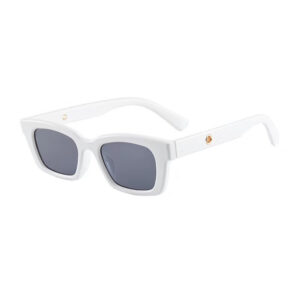
For casual anglers, rectangular, square, and classic aviator-inspired shapes can also work beautifully when they provide a secure fit and broad lenses. Your frame should match your face shape, but it should also stay put when you look down to rig a lure, lean over the rail, or turn quickly during a cast.
Pay attention to the bridge and temple arms. A lightweight frame reduces pressure around the ears and nose, while a stable fit means less pushing your glasses back into place. If you tend to sweat in humid weather, look for a sportier frame with a snug, secure feel. If your fishing is mostly relaxed dock time and weekend lake trips, a fashion-forward frame with polarized lenses can offer plenty of performance without looking overly technical.
What to look for before you buy
When comparing fishing sunglasses, focus on the features you will notice on the water instead of getting lost in complicated jargon. A smart everyday pair should offer:
- Polarized lenses to cut reflected glare from water and wet surfaces.
- UV400 or 100% UVA/UVB protection for long outdoor days.
- A comfortable, secure frame that blocks light from the sides.
- A lens tint suited to your usual light conditions.
- Durable construction you can wear without treating like a museum piece.
Price matters, too. Expensive sunglasses are not automatically better for your fishing style. The most useful pair is one with real polarization, UV protection, a fit you trust, and a look that makes you happy to wear it. Affordable options can make it easier to keep a backup pair in your tackle bag, truck, or travel case.
Don’t confuse polarized lenses with mirrored lenses
Mirrored lenses have a reflective coating on the outside. They can reduce some visible light and give sunglasses a bold, sporty finish, but a mirror coating is not the same as polarization. A lens can be mirrored, polarized, both, or neither.
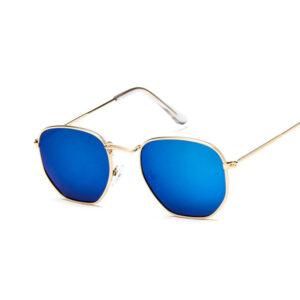
For fishing, prioritize polarization first. If you love the look of a blue, green, or silver mirror finish, choose it as an extra style and comfort benefit. Mirrored lenses are especially popular for bright-water settings because they pair sharp looks with a little more light control.
Care tips that keep your view clear
Fishing days can be tough on eyewear. Salt spray, sunscreen, fish slime, dust, and tackle-box grit all find their way onto lenses. Rinse your sunglasses with clean water when possible, then use a microfiber cloth to dry them. Wiping dry sand or salt across a lens can create tiny scratches over time.
Avoid leaving sunglasses loose on a hot dashboard or boat console. Heat can stress frames, and an unprotected pair can quickly get stepped on, sat on, or launched overboard. A simple hard case or protective pouch is a small habit that pays off.
If sunscreen gets on your lenses, rinse it away promptly. Sunscreen residue can leave a cloudy film that makes even a high-quality polarized lens seem less clear. Clean lenses are not just about appearance. They help you notice more when the water gives you a quick chance.
Match your sunglasses to the way you fish
An offshore angler under full sun may want a close-fitting wrap frame with gray or blue-mirrored polarized lenses. A bass angler working clear, shallow water may prefer brown or copper lenses for added contrast. Someone who fishes at sunrise, then spends the afternoon driving and running errands, may get the most value from a versatile gray or green polarized pair.
Style still belongs in the decision. Your fishing sunglasses should look right with your favorite hat, performance shirt, and weekend clothes. At Kooleyes, the idea is simple: eye protection should not force you to choose between function and a frame that feels like you.
The best pair is the one you reach for before every trip. Choose polarized UV protection, pick a tint that suits your water and weather, and make sure the frame feels secure from the first cast to the last one. When the glare drops away, the water has more to show you.