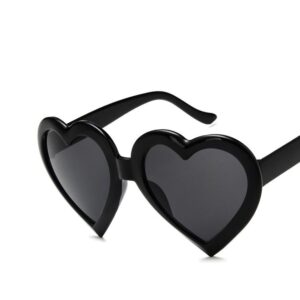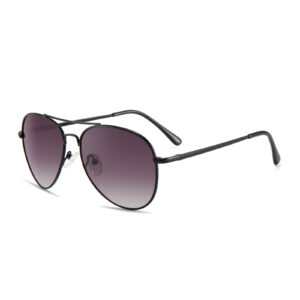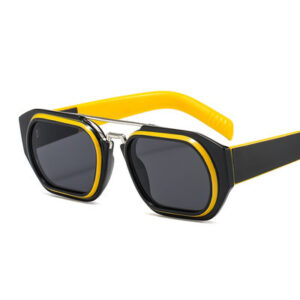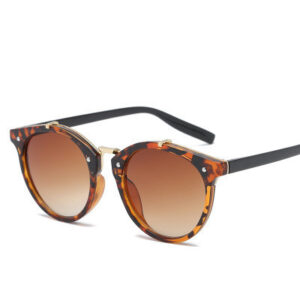

A pair of sunglasses should make a bright drive, beach afternoon, or city walk feel easier on your eyes – not leave you squinting, nauseated, or reaching for a dark room. So, can sunglasses trigger migraines? For some people, they can contribute to a headache or migraine episode, usually because of glare, an uncomfortable fit, lens quality, or a tint that does not agree with their visual system.
That does not mean sunglasses are bad for migraine sufferers. The right pair can be one of the simplest ways to reduce sun-related discomfort. The goal is to find shades that look sharp and make your eyes feel calm, clear, and protected.
Can Sunglasses Trigger Migraines? Sometimes, Indirectly
Migraines are neurological episodes with many possible triggers, including sunlight, stress, sleep changes, dehydration, hormones, certain foods, and visual stimulation. Sunglasses do not typically create the underlying condition. But a pair that strains your eyes or fails to manage harsh light can add enough visual stress to help set off an attack in someone who is already sensitive.
Bright sunlight is a common issue. Light sensitivity, also called photophobia, can occur during a migraine and sometimes before the headache phase begins. On a glare-heavy day, reflected light from water, windshields, pale pavement, snow, and nearby buildings can feel almost aggressive. If your lenses are too light, poorly made, scratched, or simply the wrong tint for you, your eyes may keep working harder than they should.
There is also an important flip side: wearing very dark sunglasses indoors all the time can make some people more sensitive to ordinary light over time. For most indoor settings, it is better to use regular eyewear or address the source of the lighting issue rather than stay behind dark lenses all day.
The Sunglasses Problems Most Likely to Cause Discomfort
Glare that slips past the lenses
Glare can be more irritating than sunlight itself. It forces your eyes to constantly adjust and can make details look washed out. This is why a bright day behind the wheel may feel worse than a sunny walk in the park.
Polarized sunglasses are often a smart choice for driving, boating, beach days, and outdoor sports because they help cut reflected horizontal glare. They do not make light disappear, and they are not a medical treatment for migraine, but many people find that clearer, less reflective vision feels more comfortable. If your migraines are linked to harsh outdoor light, polarization is worth trying.
One trade-off: polarized lenses can make certain LCD screens, dashboard displays, and phone screens look darker or slightly distorted at particular angles. Test your usual devices before relying on a pair for work or travel.
Lenses with poor optical clarity
Low-quality lenses can create subtle distortion, especially near the edges. Your brain may have to work harder to make sense of what you are seeing, which can lead to eye fatigue, forehead tension, or a headache after extended wear. A warped lens, uneven coating, heavy scratches, or a frame that does not sit level can cause similar trouble.
Look through each lens at a straight edge, such as a door frame or window line. As you gently move the sunglasses side to side, the line should not bend, jump, or swim. Clear optics matter whether you prefer oversized fashion frames, classic aviators, sporty wrap styles, or bold square sunglasses.
A frame that presses in the wrong places
Not every headache behind the eyes is a migraine. A tight frame can create pressure around the temples, behind the ears, or across the bridge of the nose. That pressure can become a genuine trigger if you are prone to headaches, especially during a long drive or all-day outdoor event.
Your sunglasses should feel secure without pinching. The temples should not leave deep marks, the nose bridge should not slide constantly, and the frame should stay centered instead of leaning to one side. Lightweight materials and a comfortable, balanced fit often make a bigger difference than shoppers expect.
The wrong tint or darkness level
A darker lens is not automatically a more comfortable lens. Gray lenses offer natural-looking color perception and work well for everyday sun protection. Brown and amber tones can boost contrast, which many drivers and outdoor athletes enjoy. Green lenses can provide balanced contrast with a softer view.
Tint preference is personal, particularly for people with migraines. A lens that feels relaxing to one person can feel too intense or strange to another. Blue or highly mirrored lenses may look great as a fashion statement, but the base tint and optical clarity matter more for comfort than the mirror finish.
If you often get headaches, avoid buying solely based on how dark a lens looks in a product photo. Consider where you will wear it most, then give yourself time to adjust during short outdoor sessions.
UV Protection Still Matters for Migraine-Prone Eyes
UV protection and lens darkness are not the same thing. Dark lenses without reliable UV protection may cause the pupil to open wider while UV rays still reach the eye. That is not a comfort or eye-safety win.
Choose sunglasses labeled for 100% UVA and UVB protection or UV400 protection. This helps block ultraviolet rays while you enjoy a clearer, more comfortable view in bright conditions. Larger lenses or wraparound styles can also reduce light entering from the sides, which is especially useful on the water, at the beach, in open-air sports, or during long sunny commutes.
For children, proper UV protection is just as important. Kids spend plenty of time outdoors and may not tell you when a bright environment is bothering their eyes. A lightweight pair that stays put is more likely to stay on.
How to Choose Sunglasses if You Get Migraines
Start with the situation that gives you the most trouble. If road glare causes problems, choose polarized lenses with dependable UV protection and a frame that provides good coverage. If you spend long hours cycling, walking, or playing sports, consider a secure wrap or sport frame that limits side light without squeezing at the temples.
For everyday wear, a medium-to-dark gray, brown, or green lens is a practical place to start. Gray is often the easiest choice for shoppers who want color accuracy for driving, travel, and daily outfits. Brown and amber can be appealing when contrast is your priority. There is no single “best” migraine tint for everyone, so comfort should guide the final call.
If prescription vision correction is part of the picture, do not ignore it. Wearing non-prescription sunglasses when you need corrective lenses can cause squinting and strain. Prescription sunglasses or a quality clip-on option may be a better fit for your routine.
Try a new pair before committing to an all-day outing. Wear it outside for 15 to 30 minutes, then pay attention to whether your eyes feel relaxed, whether the frame creates pressure, and whether your vision stays stable as you move. This small test can save you from choosing a stylish pair that spends more time in its case than on your face.
When the Headache May Not Be About Your Sunglasses
If migraines are new, changing, frequent, or severe, it is worth speaking with a healthcare professional or eye doctor. Light sensitivity can happen with migraine, but it can also be linked to eye conditions, medication effects, dry eye, and other health concerns. An exam may uncover a prescription change, binocular vision issue, or another cause that sunglasses alone cannot solve.
Seek urgent medical care for a sudden, explosive headache; headache after a head injury; vision loss; weakness; confusion; fainting; fever with a stiff neck; or a headache that feels dramatically different from your usual pattern.
For everyone else, think of sunglasses as part of a smarter bright-light routine. Stay hydrated, take breaks from glare-heavy settings, keep your lenses clean, and choose shades that feel as good as they look. A well-fitted, UV-protective pair with clear lenses can turn a painful squint into a more comfortable way to see the world in style.