
A late-afternoon drive can turn a wet road into a sheet of blinding light. A beach day can leave you squinting at the water instead of enjoying the view. Polarized sunglasses are made for those moments, helping reduce reflected glare so the world looks more comfortable, defined, and ready for whatever is next.
They are not just for serious athletes or boat owners. The right pair can make a commute easier, a patio lunch brighter, and a weekend outfit look instantly more put together. Here is how polarization works, what it can and cannot do, and how to choose a pair that fits your style and your plans.
What Polarized Sunglasses Actually Do
Light normally travels in many directions. When it hits a flat, reflective surface such as water, pavement, snow, car hoods, or glass, much of that light becomes concentrated in a horizontal direction. That is the harsh glare that makes you narrow your eyes and lose visual comfort.
Polarized lenses contain a special filter designed to block much of this horizontally reflected light. The result is often clearer vision with less distracting shine. Colors and edges can appear more distinct, especially around water, on the road, and in bright open spaces.
Think of polarization as a comfort and clarity feature. It helps manage glare. It does not automatically mean a lens blocks ultraviolet rays, and UV protection does not automatically mean a lens is polarized. For everyday eye safety, look for both polarization and UV protection in the product details.
Why Polarized Lenses Feel Better Outdoors
The biggest benefit is simple: less glare means less squinting. That can make long days outside feel easier on your eyes, whether you are walking through the city, watching a game, cycling on a sunny trail, or relaxing poolside.
For drivers, polarized lenses can reduce the bright reflection bouncing off windshields, roads, and nearby vehicles. They are especially helpful after rain, when the pavement reflects the sky like a mirror. Better glare control can make it easier to stay focused on the road, although sunglasses should never replace careful driving habits.
At the beach, lake, or marina, the difference can be even more noticeable. Polarization cuts surface glare on the water, which may help you see more detail beneath or beyond the reflection. Fishing, boating, and waterfront travel all benefit from a calmer, clearer view.
Outdoor sports are another natural match. Runners, hikers, cyclists, and golfers often move between direct sun and reflective surfaces. A lightweight polarized pair can improve comfort while keeping your eyes covered from wind, dust, and bright conditions. The best frame is the one that stays comfortable when you are actually in motion.
Polarization and UV Protection Are a Team
A dark lens is not the same thing as a protective lens. In fact, dark lenses without proper UV protection can be a poor choice because your pupils may open wider behind the tint, potentially allowing more UV exposure to enter the eye.
When shopping, prioritize lenses labeled for 100% UVA and UVB protection or UV400 protection, then choose polarization for added glare reduction. That combination gives you practical coverage for daily wear and bright outdoor plans.
Lens color also changes the experience, but it is mostly about visual preference and conditions rather than UV strength. Gray lenses tend to preserve natural color perception and work well for everyday sun. Brown or amber lenses can increase contrast, which many people enjoy for driving and outdoor activities. Green lenses offer balanced color and contrast, while mirrored finishes can add a bold style statement and help reduce visible light in very bright settings.
The right choice depends on where you wear your sunglasses most. If you want one pair for errands, travel, and weekend time outside, a gray or brown polarized lens is an easy, versatile place to start.
When Polarized Sunglasses May Not Be Ideal
Polarization has real advantages, but there are a few trade-offs worth knowing before you buy. Some LCD displays, including certain dashboard screens, phones, GPS units, and instrument panels, can look dim or develop rainbow-like patterns when viewed through polarized lenses. Tilting your head may make the display easier to read.
Pilots and people who rely on specialized digital displays may need non-polarized eyewear for certain tasks. Some skiers also prefer non-polarized lenses in specific light conditions because glare can sometimes help reveal icy patches on the snow. It depends on your activity, equipment, and personal vision preferences.
For most people, these are occasional considerations rather than deal-breakers. If your day includes driving, water, travel, city walks, or outdoor recreation, the glare reduction is usually well worth it.
Choose a Frame That Works as Hard as Your Lenses
Great lenses deserve a frame that feels good from morning to sunset. Start with fit. Sunglasses should sit securely on your nose without pinching, sliding, or pressing into the sides of your head. Your eyes should be centered behind the lenses, and the frame should provide enough coverage to limit light entering from above or around the sides.
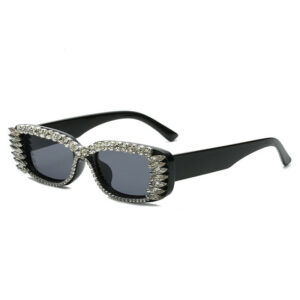
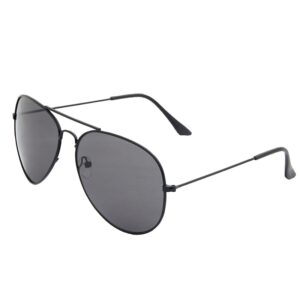
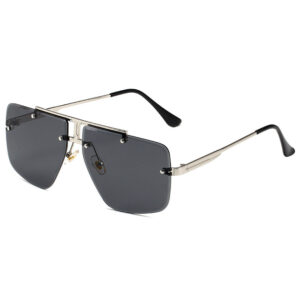
Oversized square frames bring bold, modern coverage and make an easy statement with casual outfits. Aviators offer a classic look that works across many face shapes, from road trips to rooftop dinners. Rectangular frames create a sharp, clean profile, while round and colorful styles add a more playful fashion angle.
For cycling, running, or active outdoor days, look for a sport-focused shape with a secure fit and wider lens coverage. Wrap-style frames can help block side light and wind. For driving and daily wear, a lighter frame with comfortable nose pads or smooth temple arms may be the better choice.
Parents should also treat children’s sunglasses as everyday protective gear, not just a cute accessory. A durable, comfortable pair with UV protection encourages kids to keep them on during playground time, vacations, and sunny car rides. Bright colors and fun shapes can help, because the sunglasses they like are the ones they will actually wear.
How to Tell If a Pair Is Right for You
Online shopping makes it easy to compare styles, but focus on the details that affect real-life wear. Check lens features first: polarization, UV protection, tint, and any mirrored or sport-specific finish. Then look at the frame dimensions and shape to get a better sense of coverage and fit.
Consider your main use case. If you spend a lot of time behind the wheel, choose a comfortable frame you can wear for long stretches. If you live near water or plan beach trips, prioritize polarization and a frame with generous coverage. If your sunglasses are mainly part of your daily look, pick a silhouette that makes you feel confident enough to reach for it every time you leave home.
There is no rule saying you need only one pair. A classic neutral frame can cover workdays and travel, while a colorful fashion pair or sporty wrap frame handles a different mood and activity. Affordable options make it easier to build a small rotation without treating eye comfort like a luxury.
Keep Your Lenses Clear and Your Frames Looking Fresh
A few easy habits can help your sunglasses last longer. Rinse away dust or sand with clean water before wiping the lenses, since dry particles can cause scratches. Use a microfiber cloth rather than a shirt hem, paper towel, or tissue. When you are not wearing them, store them in a case instead of tossing them loose into a bag or car console.
Avoid leaving sunglasses on a hot dashboard for extended periods. High heat can stress frames and lens coatings over time. If your pair gets splashed with saltwater, sunscreen, or pool chemicals, rinse it promptly and dry it gently.
The best polarized sunglasses are the ones that match your life: clear enough for the road, comfortable enough for long afternoons, and stylish enough to make every sunny plan feel like an occasion. Choose the lens protection you need, pick a frame that feels like you, and let Kooleyes help you shade your world in style.