A bright road can turn from beautiful to blinding in seconds. Sun bouncing off car hoods, wet pavement, puddles, and pale concrete creates glare that makes you squint and lose visual detail. Polarized cycling sunglasses help cut that harsh reflected light, so the route looks clearer and your ride feels more comfortable from the first mile to the last.
They are not just a warm-weather accessory, either. The right pair gives your eyes reliable UV protection, keeps wind and debris at bay, and adds a sharp finishing touch to your riding kit. Whether you commute through downtown traffic, train on open roads, or cruise the boardwalk on weekends, your sunglasses should work as hard as you do.
Why polarized cycling sunglasses make a difference
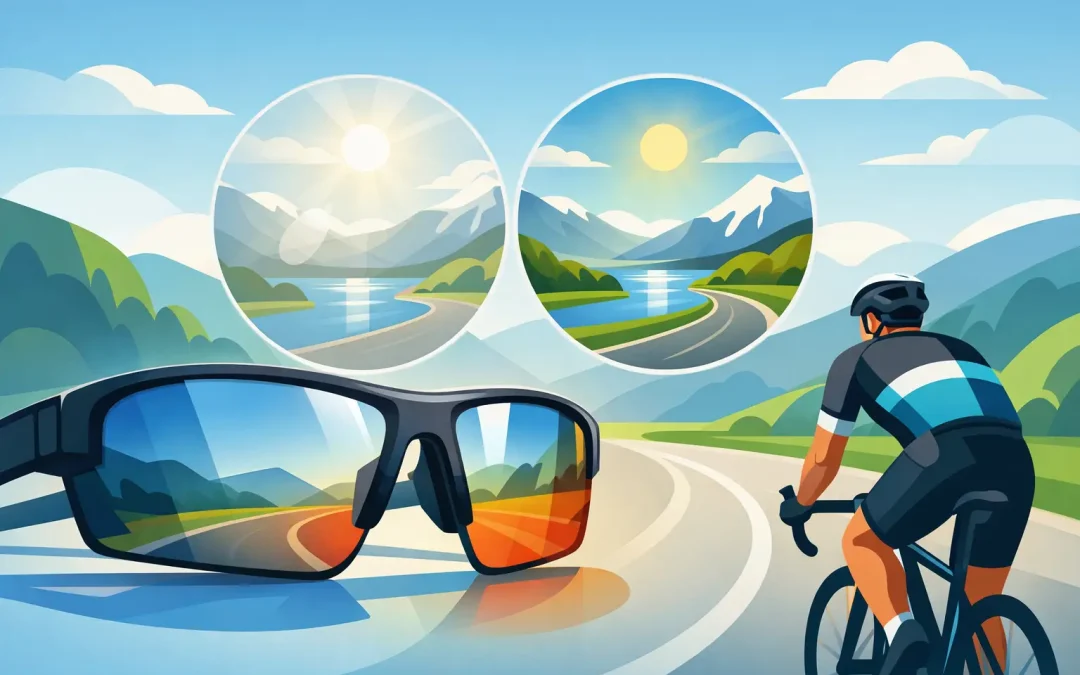
Polarized lenses have a special filter that reduces glare reflected from flat surfaces. On a bike, those surfaces are everywhere: asphalt, painted road lines, parked cars, windows, water, and even the smooth surface of a bike path after rain. Standard tinted lenses make the scene darker. Polarized lenses are designed to make it easier to see through the glare.
That difference can feel immediate. Details such as cracks, loose gravel, standing water, and changes in pavement texture may be easier to spot when the light is less scattered. Your eyes also spend less time fighting bright reflections, which can mean a more relaxed ride on long, sunny routes.
Polarization does not replace UV protection. You want both. Look for lenses that block 100% of UVA and UVB rays or are labeled UV400. UV protection guards your eyes against invisible ultraviolet rays, while polarization improves comfort by reducing visible glare. Together, they make a smart combination for cycling, driving, beach days, and everyday outdoor wear.
Where polarized lenses shine on a bike
For road riders, polarized lenses are especially useful on sunny pavement. The constant flash of sunlight off vehicles and road surfaces can be tiring, particularly during midmorning and late afternoon when the sun sits at a lower angle. A polarized lens helps calm that visual noise without forcing you to hide indoors.
Commuters can benefit, too. City riding means glass storefronts, windshields, metal signs, and traffic lights competing for your attention. Clearer, more comfortable vision helps you stay focused while looking put together on the way to work, class, or coffee.
They are also a strong choice for relaxed rides near water. Lakeside trails, beach paths, and riverside routes bring extra reflection into your field of view. With polarized cycling sunglasses, the water’s glare is reduced, and the scene can appear more defined and enjoyable.
Just remember that lens color matters alongside polarization. Gray lenses provide natural-looking color and are a classic all-purpose choice for bright days. Brown or amber lenses can add contrast, which many riders enjoy when the road surface or trail has lots of shadows. Mirrored finishes can add extra style and help limit intense light, but the performance still comes down to the lens quality, fit, and UV protection underneath.
The trade-off: when polarization is not the top choice
Polarized lenses are excellent for many rides, but they are not automatically the best option for every cyclist. The biggest consideration is your display screen. Some bike computers, phone screens, and dashboard-style devices can look darker or show rainbow-like patterns when viewed through polarized lenses, especially if you tilt your head.
If you rely heavily on a GPS screen, check how it looks before committing to a lens for every ride. Many riders find a comfortable head angle that solves the issue. Others prefer non-polarized or photochromic lenses for training days when they need to read data frequently.
Low-light riding is another situation where a dark polarized lens may not make sense. At dawn, dusk, or under heavy tree cover, you need enough light reaching your eyes to see changes in the surface ahead. Consider a lighter lens tint, clear lenses, or photochromic lenses that adjust as conditions change. The best eyewear setup depends on when and where you ride, not just on the brightest day in your calendar.
Choose a frame that stays put
A great lens cannot help much if the frame slides down your nose every time you climb. Cycling sunglasses should feel secure without pinching. Look for a lightweight frame, a close but comfortable fit, and nose pads or temple tips that help the glasses stay in place when you sweat.
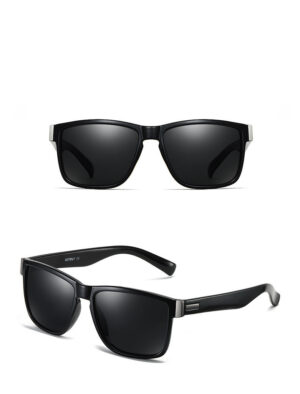
Coverage matters as well. Wider lenses and wraparound shapes help block side glare, wind, dust, and small airborne debris. They also create a sportier profile that looks right with a helmet. If you prefer a more casual, street-ready style, a square or rectangular frame can still work beautifully for cycling as long as it fits close enough to offer useful coverage.
The key is balance. Oversized frames can deliver impressive coverage, but they may feel too bold for riders who want sunglasses that move easily from bike lane to brunch. Smaller frames can look sleek and lightweight, but may allow more wind and light in from the sides. Choose the look you will actually want to wear, then make sure it has the practical features your rides demand.
Fit check before you head out
Put the sunglasses on and look down as if you are checking your pedals or reaching for a water bottle. They should not slide. Turn your head left and right as if scanning an intersection. The arms should feel steady, not loose or painfully tight.
Next, check the view from your riding position. The upper frame should not block your sightline when you lift your eyes toward the road. You should be able to see clearly around the edges without major distortion. A confident fit means fewer adjustments and more attention on the ride.
Style still belongs on the road
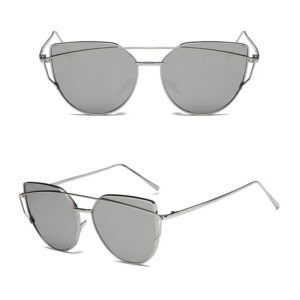
Performance eyewear does not have to look overly technical. A black wraparound frame offers a clean, fast look that pairs with almost any helmet and jersey. Tortoiseshell, clear, or colorful frames bring more personality to a casual commuter outfit. Reflective lenses make a statement while adding a polished, athletic finish.
For an easy match, consider your helmet color and the shades you wear off the bike. If your everyday style is minimal, a matte black or smoke-gray frame keeps things versatile. If you like color, use your sunglasses as the accent piece. Bright blue, red, green, or pink frames can turn a simple cycling outfit into something more personal.
Affordable eyewear makes this even more fun. Instead of trying to find one pair for every possible condition, you can build a small rotation: a darker polarized pair for sun-heavy rides, a lighter option for cloudy days, and a casual pair for post-ride plans. That gives you more flexibility without treating sunglasses like a luxury splurge.
Caring for your lenses between rides
A little care keeps polarized lenses clear and good-looking. Rinse off dust or grit before wiping them, because dry rubbing can create fine scratches over time. Use a clean microfiber cloth rather than the corner of a jersey or a paper towel.
Keep your sunglasses in a case when they are not on your face or helmet. Tossing them loose into a bag with keys, tools, or snacks is an easy way to damage lenses and bend frames. Also avoid leaving them on a hot car dashboard for long periods, since excessive heat can affect lens coatings and frame shape.
If your lenses are covered in sweat or sunscreen, use mild soap and lukewarm water, then pat them dry with a soft cloth. Skip harsh household cleaners. They can wear down coatings that help your lenses perform and stay clear.
Find the pair that fits your ride
The best cycling sunglasses are the ones you reach for without thinking twice. For bright roads, waterfront paths, and daily commutes, polarized lenses can make a noticeable difference in comfort and glare control. Add dependable UV protection, a secure frame, and a color that feels like you, and you have an accessory that earns its place in every ride.
Choose a pair that makes you want to clip in, head outside, and see the road with fresh confidence. Look sharp, see clearly, and let your sunglasses keep pace wherever the day takes you.