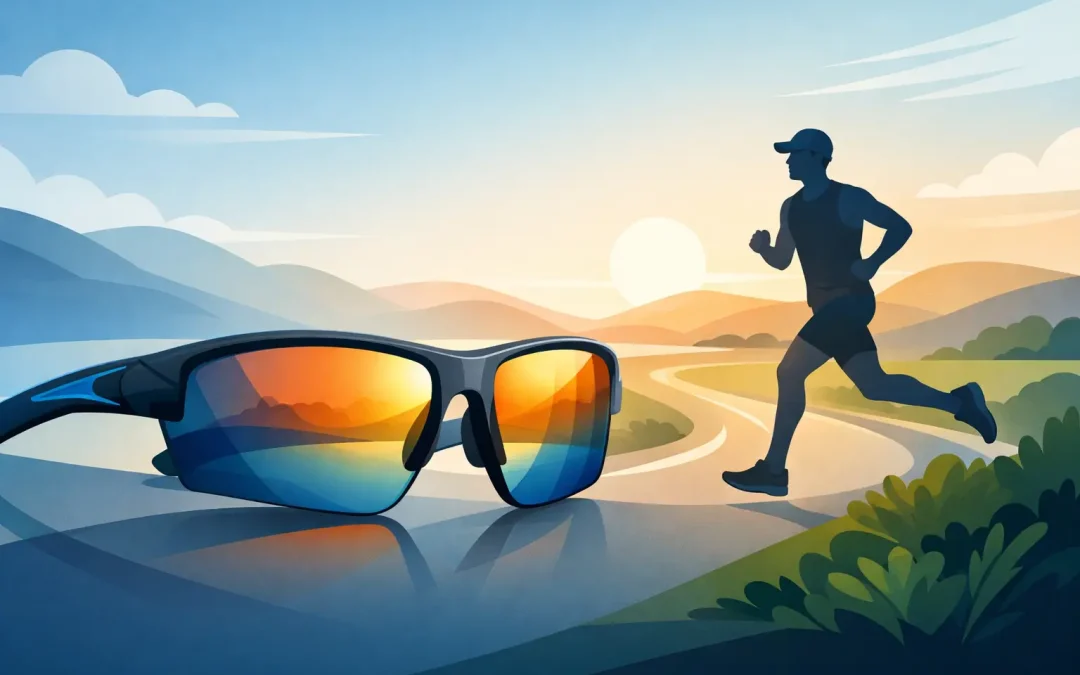
The sun can feel great at mile one and completely change your run by mile five. Light bounces off pavement, cars flash through your side vision, and every squint starts to steal focus from your pace. The right running sunglasses give you clearer vision, dependable UV coverage, and a put-together finish that looks just as good after the cooldown.
A great pair does more than shade your eyes. It needs to stay in place when you sweat, feel light enough for long efforts, and handle changing light without making the road, trail, or track harder to read. Here is what to look for before you head out.
What Makes Running Sunglasses Different?
Your favorite everyday frames may work for a coffee run, but a real run asks more from sunglasses. Movement, sweat, wind, and bright reflection can turn an otherwise stylish pair into a distraction. Running frames are built around a more secure fit and a wider, clearer field of view.
The best choice is the one you barely notice while wearing it. Frames should sit securely at the bridge of your nose without pinching, while the arms should hold gently around your temples. If you keep pushing your sunglasses back into place, they are not doing their job.
Lens coverage matters, too. A slightly larger lens or wraparound shape helps limit sunlight from the sides, where early-morning and late-afternoon glare often sneaks in. That extra coverage can make a noticeable difference when you turn a corner and face the sun head-on.
Start With UV Protection, Not Lens Color
Dark lenses are not automatically protective. A tinted lens can make the world look dimmer, but UV protection is what helps shield your eyes from harmful ultraviolet rays. Look for sunglasses labeled with 100% UV protection or UV400 protection for outdoor running.
This is a year-round feature, not just a summer one. UV exposure is still present on bright winter days, during spring races, and on cloudy afternoons. In fact, cloud cover can make runners underestimate how much protection they need.
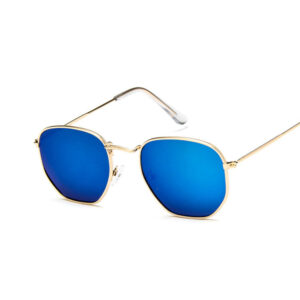
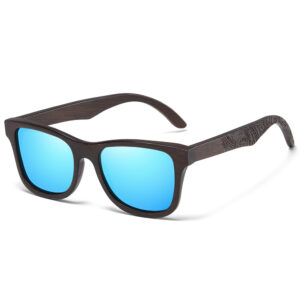
Lens color is a separate decision. Gray lenses keep colors looking more natural and work well for bright, open roads. Brown or amber tones can boost contrast, which many runners like on trails or uneven terrain. Mirrored lenses add a bold athletic look and can help reduce the amount of visible light reaching your eyes in especially bright conditions.
Choose for the conditions you run in most often. If your route is usually wide-open pavement at noon, a darker gray lens may be your best match. If you move between tree cover and sunny paths, a medium tint with good contrast may feel easier on your eyes.
Why Polarized Running Sunglasses Can Help
Polarized lenses are designed to reduce reflected glare. Think of sunlight bouncing off wet roads, parked cars, puddles, sidewalks, and even light-colored concrete. That reflection can be tiring, especially on long runs when your eyes are already working hard to stay focused.
For road runners, polarized running sunglasses can create a more comfortable, less washed-out view. They are also a smart option for runners who train near water, on beach paths, or around city streets with lots of glass and metal surfaces. Less glare can mean less squinting and a more relaxed feel through the eyes.
There is one trade-off worth knowing: some digital screens, including certain watches or phone displays, can appear slightly darker or show a rainbow-like effect through polarized lenses at specific angles. Most runners adjust quickly by tilting the screen or wrist. If checking your watch constantly is central to your training, consider trying polarized lenses on a short run first.
Fit Is the Feature You Feel Every Mile
A lightweight frame is nice. A lightweight frame that stays put is better. Look for a close, balanced fit that does not slide down when your skin gets warm. Sport-style frames often have curved temples or a more wrapped profile to help create that secure feeling.
Nose pads can make a real difference, especially for runners who sweat heavily. A grippy or textured nose area helps reduce slipping without requiring the frame to squeeze too tightly. The goal is stable, not restrictive. Sunglasses that leave deep marks or create pressure behind your ears may become uncomfortable during longer training sessions.
If you run with a hat, test the combination at home. Some high-profile frames can bump against a brim, while low-profile sunglasses may fit neatly underneath. Runners who use headphones should also pay attention to temple thickness. Slimmer arms usually play more comfortably with earbuds and over-ear gear.
Choose a Frame Shape for Your Route and Style
Performance does not mean settling for a look that feels too sporty for your personal style. Today’s running-ready sunglasses come in plenty of shapes, from sleek wraparound designs to confident square frames with athletic lens coverage.
Wraparound frames are a strong pick for speed sessions, cycling, windy routes, and trail running because they offer broad coverage and a secure feel. They can also give you a streamlined, fast-moving look that pairs naturally with activewear.
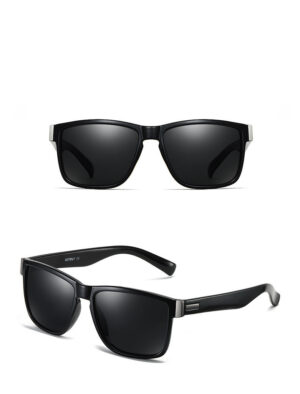
Square and rectangular frames bring a more everyday style to outdoor training. They can work especially well if you want one pair for weekend runs, errands, travel, and casual time outdoors. Just make sure the frame does not sit so wide that it shifts when you move.
Color is where you can have fun. Black is always clean and versatile, while tortoiseshell, clear frames, bright colors, or mirrored lens finishes bring more personality to your run kit. Sunglasses are one of the easiest ways to make a simple running outfit feel intentional. Look sharp, see clearly, and let your accessories do a little of the work.
Don’t Forget Ventilation and Fog Control
Fogged lenses are frustrating because they can happen when the weather is not even hot. Cool mornings, humid air, a face covering, or a hard uphill effort can create enough moisture to cloud your view. Frames that sit a little away from the face and allow airflow around the lenses are often more comfortable for high-output runs.
No pair is fully immune to fogging, especially in damp conditions, but fit helps. Sunglasses pressed tightly against your face may trap more heat and moisture. A frame with thoughtful spacing and a lightweight shape can help air circulate while still blocking side glare.
If your lenses fog during a run, avoid wiping them with a shirt or towel. Sweat, dust, and rough fabric can leave smears or tiny scratches. Let the lenses air out for a moment when possible, then clean them properly after your workout.
How to Care for Your Running Sunglasses
A little care keeps your lenses clearer and your frames looking fresh. Rinse off sweat, sunscreen, and road dust with lukewarm water, then use a clean microfiber cloth to dry them. Avoid household cleaners, paper towels, and the temptation to toss sunglasses loose into a gym bag.
A protective case is especially useful if your running sunglasses share space with keys, gels, headphones, or a water bottle. Scratches can affect how cleanly you see in bright light, and they can make even a great pair look worn out fast.
It also helps to check screws and frame alignment every so often. If one side feels loose or the frame starts sitting crooked, fix it before race day. Small fit problems have a way of becoming very noticeable once you are several miles from home.
A Smart Pair Works Beyond Your Run
The best running sunglasses should not have to live in a drawer between workouts. A versatile, polarized pair can move from a morning run to driving, dog walks, beach days, and travel without missing a beat. That is where affordable eyewear becomes especially appealing: you can choose a style that suits your routine instead of treating eye protection like a special-occasion purchase.
Kooleyes makes it easy to find UV-protective, style-forward options that fit an active schedule and a real-world budget. Whether you prefer a bold mirrored look or a classic frame you can wear everywhere, the right pair should feel like a natural extension of your day.
Before your next run, step outside for a minute with your sunglasses on. If the fit feels secure, the light looks comfortable, and you like what you see in the mirror, you have found more than a running accessory. You have one less thing to think about when the miles start adding up.