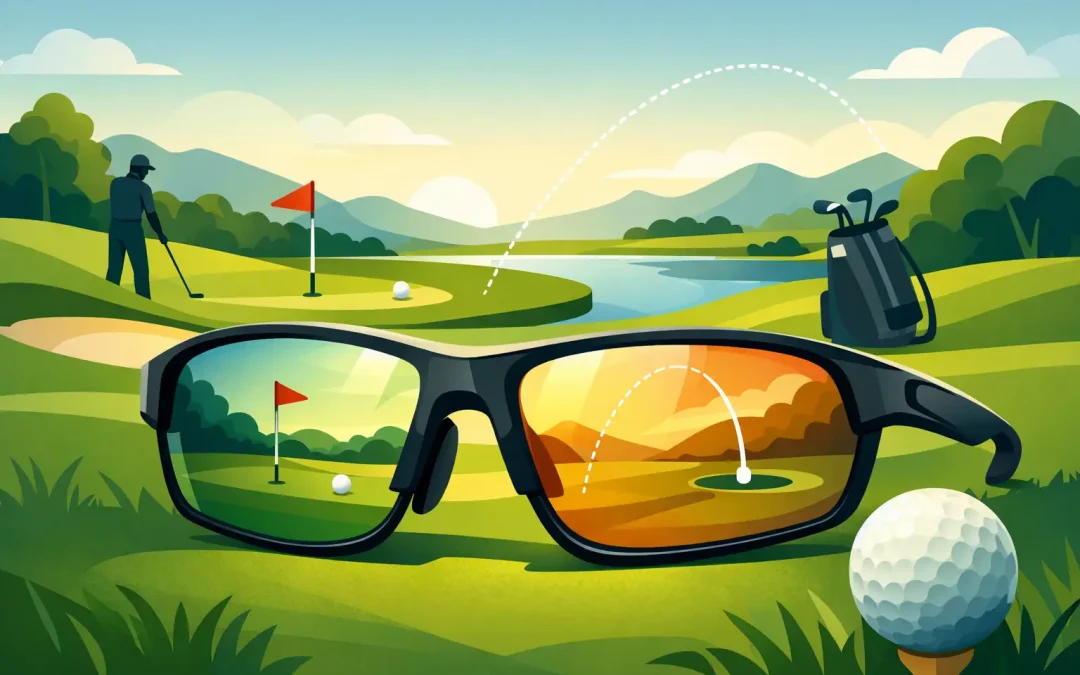
A missed read on the green can feel like a bad break. Sometimes, though, the problem starts before the putt: harsh glare, washed-out grass, and eyes that have been squinting since the first tee. The right golf sunglasses will not fix your swing, but they can make the course easier and more comfortable to see from the opening drive to the final scorecard.
Golf is an outdoor sport with long stretches in direct sun, changing light, reflective water, bright sand, and plenty of time spent looking down fairways. That calls for more than a pair of sunglasses that simply looks good in the parking lot. You want reliable UV protection, useful glare control, a lens tint that helps the course stand out, and a frame that stays comfortable when the day runs long.
What Makes Golf Sunglasses Different?
A great everyday pair can absolutely work for a casual nine holes. But sunglasses chosen specifically for golf need to perform in a few situations that are easy to overlook. You need to track a small white ball against the sky, judge distance through changing shadows, follow the shape of a green, and keep your vision clear while moving between open fairways and shaded trees.
The biggest difference is balance. Very dark lenses may feel relaxing at the beach, but they can hide detail in low light or make a late-afternoon round harder to read. Oversized fashion frames can look sharp, yet a heavy frame may slide when you sweat. Golf eyewear should protect your eyes without becoming something you notice every other hole.
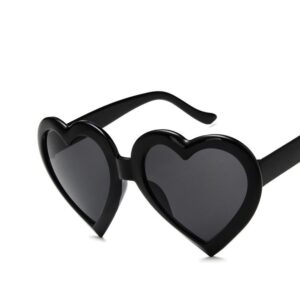
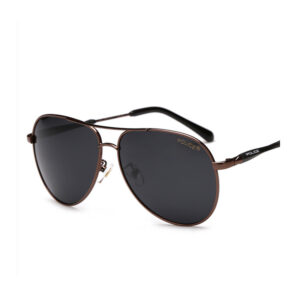
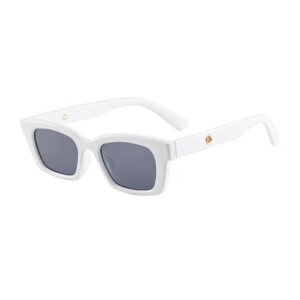
That does not mean golf style has to be boring. Sporty wraparound frames offer broad coverage and a secure fit, while clean rectangular frames, classic aviators, and modern square styles can bring more personality to your golf outfit. The best choice is the pair you will actually enjoy wearing, with performance that holds up on the course.
Start With UV Protection and Polarized Lenses
UV protection is the non-negotiable feature. Long days outdoors expose your eyes to ultraviolet rays even when the temperature feels mild or clouds roll in. Look for lenses that provide 100% UVA and UVB protection. It is a simple feature with a major payoff: more confidence for your eyes during every sunny round, practice session, and drive home.
Polarized lenses are another smart option for many golfers. Polarization helps reduce reflected glare bouncing off water hazards, cart paths, windshields, wet grass, and bright sand. Less glare can mean less squinting and more relaxed vision, especially when the sun is high.
There is one trade-off worth knowing. Some golfers prefer non-polarized lenses because polarization can occasionally affect how certain digital GPS or cart screens appear. If you rely heavily on a device, test the screen while wearing your sunglasses. For players who mainly want comfortable, clear outdoor vision, polarized golf sunglasses are often an excellent fit.
Choose a Lens Color That Works With the Course
Lens tint changes more than the look of your frames. It affects how you perceive contrast, brightness, and depth across the course. There is no one perfect tint for every golfer, but a few options consistently make sense.
Brown, amber, and copper lenses are popular for golf because they can increase contrast between greens, fairways, bunkers, and rough. These warmer tints can make subtle changes in terrain easier to notice, which is helpful when you are reading the green or tracking your ball through mixed light.
Gray lenses provide a more natural color view and reduce overall brightness without heavily shifting what you see. They are a strong choice for bright, sunny days, especially if you want an easy, everyday lens that looks as good off the course as it does on it.
Rose, red, and some mirrored sport lens options can also boost contrast and create a crisp view in variable conditions. The exact effect depends on the lens, so personal comfort matters. If you play mostly in wide-open sunshine, gray or darker brown may feel best. If your usual course has trees, rolling terrain, and shifting shadows, amber or rose-toned lenses may give you a little more definition.
Avoid choosing purely by darkness. A lens that is too dark can make the course feel flat on overcast days or during twilight tee times. Golf is about detail, not just shade.
Fit Matters More Than You Think
Sunglasses that pinch behind your ears, bounce on your nose, or creep down your face become annoying fast. You may spend four or five hours wearing them, often while walking, bending to line up putts, or turning quickly to follow a shot. A comfortable fit is part of better performance.
Look for a lightweight frame with a stable bridge and arms that sit securely without squeezing. Rubberized nose pads and temple grips are useful for players who sweat or play in humid weather. Wraparound styles can offer more side coverage and block distracting light from the edges of your vision, while flatter lifestyle frames may feel cooler and pair easily with everyday outfits.
Face shape still counts. Rounder frames can soften angular features, while square or rectangular frames add structure to rounder faces. Aviators bring a classic, confident look to many face shapes. The goal is not to follow a rigid rule. It is to find a frame that feels good, stays put, and makes you want to step onto the first tee looking sharp.
Frame Style Should Match How You Play
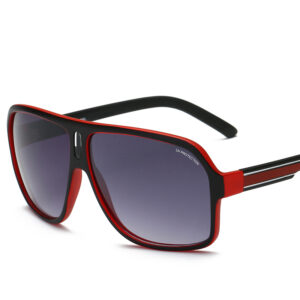
For the golfer who plays every weekend, walks the course, and spends time at the range, sport sunglasses are usually the practical choice. Lightweight wrap frames, wider lenses, and secure details are built for movement and extended sun exposure. They also work well for cycling, driving, hiking, and other active plans after the round.
If golf is part of a bigger social day, a versatile fashion frame may be the better move. A polished square frame or understated aviator can take you from the tee box to lunch without looking overly technical. Choose lenses with solid UV protection and glare reduction, then let the frame reflect your personal style.
For travel golf, consider bringing a pair you would be happy to wear all day. You may face an early airport run, a rental-car drive, a sunny practice green, and dinner outdoors. A flexible, affordable pair is easier to enjoy than expensive eyewear you are constantly worried about losing or scratching.
Do Not Forget Coverage and Durability
Sunlight does not only come straight from above. It reflects off pale sand, water, carts, and even trimmed grass. Larger lenses and frames with some curve around the face can help limit side glare. This is especially useful on bright courses where open fairways leave little shade.
Durability matters, too. Golf bags, cart cup holders, pockets, and car consoles are not gentle places for lenses. Keep your sunglasses in a protective case when they are not on your face, and clean them with a microfiber cloth rather than a shirt hem or towel. Tiny scratches can scatter light and make glare feel worse over time.
If you regularly switch between golf, driving, and casual wear, a polarized UV-protective style is a smart all-around investment. Kooleyes makes it easy to find that mix of sporty performance, current frame shapes, and budget-friendly style, so you can choose a second pair for the car or your golf bag without overthinking it.
A Quick Way to Pick Your Pair
Before you buy, think about when and where you play. Golfers who tee off under intense midday sun may want darker gray or brown polarized lenses with broad coverage. Players who often chase late-day rounds or deal with tree-lined courses may prefer a lighter contrast-enhancing tint. If you wear a hat every round, make sure the frame arms sit comfortably beneath it.
Then ask one simple question: would you wear these for a full round? If the answer is yes, you are close. The best pair should feel secure when you swing, clear when you look down the fairway, and stylish enough that you keep them on after the 18th hole.
A good round is never guaranteed, but clearer, more comfortable vision is a choice you can make before you leave for the course. Pick sunglasses that protect your eyes, suit your style, and let you keep your focus where it belongs: on the next shot.